
AFRIDEX 2026 and the One-Year Timeline: What Will It Take to Build Nigeria’s Defence Industrial Capacity?
Following the announcement of a 12-month timeline for local defence hardware production at AFRIDEX 2026, this Insight analysis examines the industrial realities, ecosystem requirements, and strategic partnerships needed to translate policy ambition into sustained domestic capacity.
· 5 min read

LAGOS NIGERIA — At the opening of the maiden Africa International Defence Exhibition (AFRIDEX 2026) in Lagos, Nigeria’s defence leadership set out an ambition with implications beyond the exhibition floor. The Minister of Defence, General Christopher Gwabin Musa (Rtd), announced that Nigeria would commence large-scale local production of defence hardware within the next year, serving domestic requirements and potentially exporting to other African countries.
The announcement places a practical question at the centre of Nigeria’s defence industrial agenda: what will it take to translate this commitment into sustained domestic production?
Representing President Bola Ahmed Tinubu, Senate President Godswill Akpabio called for international partnerships founded on mutual trust and respect. The President also urged collaboration with global innovators in artificial intelligence and other emerging technologies, recognising the increasingly complex and interconnected nature of contemporary security threats.
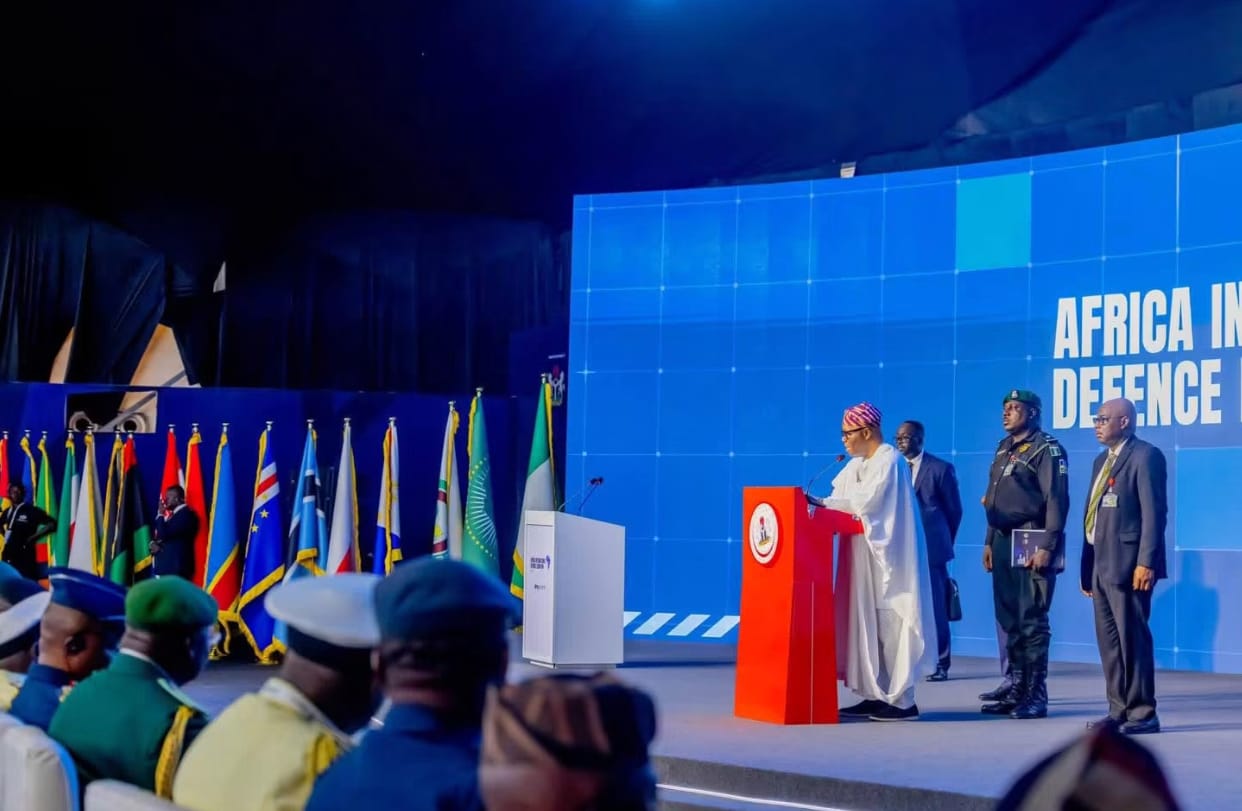
Taken together, these messages point towards a challenge that extends beyond acquiring equipment. Nigeria must consider how investment, technical expertise, industrial infrastructure and international cooperation can contribute to a stronger domestic production base.
From Procurement to Production Capacity
For countries seeking to strengthen their defence industries, purchasing equipment and developing the ability to produce it are different industrial undertakings.
Procurement can address an immediate operational requirement. Domestic production, however, calls for a broader set of capabilities, including appropriate manufacturing facilities, skilled personnel, reliable access to components, quality assurance and the technical expertise required to support equipment throughout its operational life.
These requirements make industrial capacity a long-term undertaking, even when policy creates an urgent timetable.
Nigeria’s announced one-year target therefore raises questions about readiness, investment and the scale of production envisaged. The starting point is an assessment of existing capabilities, the identification of gaps and a clear understanding of which products can be manufactured locally, which require additional development and where external partnerships may be necessary.
The objective is not simply to establish production activity. It is to build capacity that can be sustained, maintained and developed in response to changing requirements.
The Industrial Ecosystem Behind Defence Manufacturing
Modern defence production depends on more than a single manufacturer. It draws on interconnected areas of engineering, technology, materials, technical services and specialised expertise.
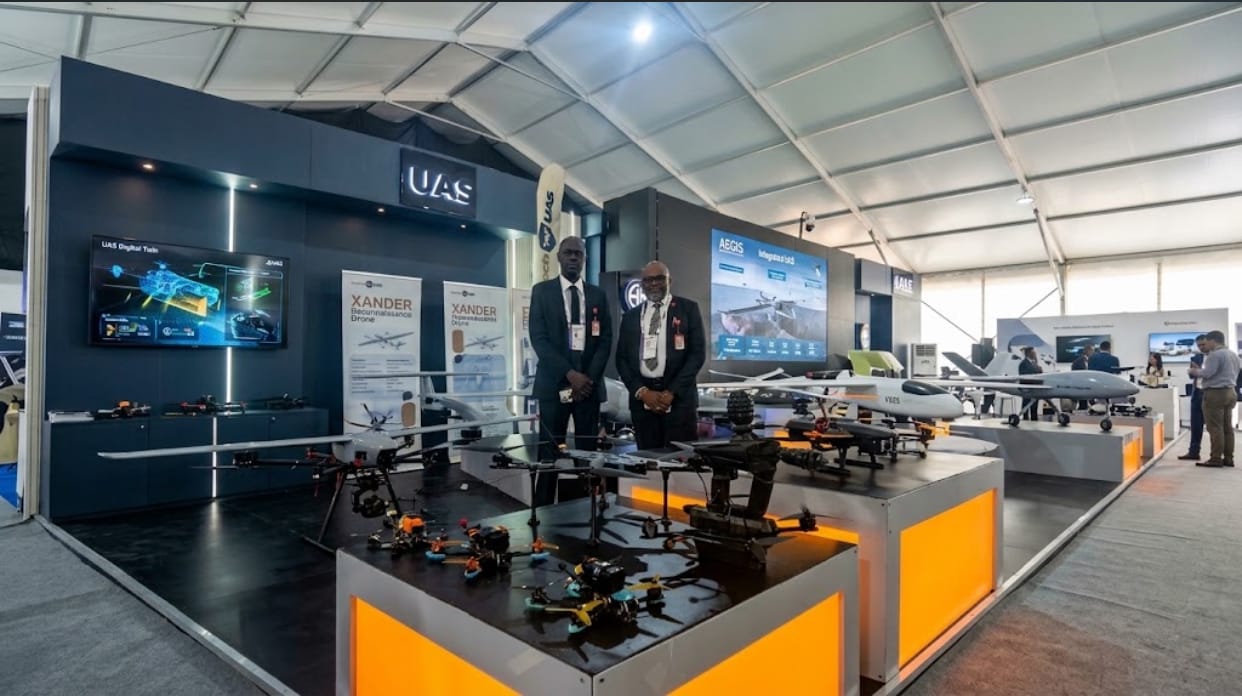
A domestic industrial ecosystem can include the development and maintenance of unmanned systems, communications and surveillance technologies, software, protective equipment and other components required by defence and security institutions. The specific capabilities required will depend on the equipment being produced and the operational needs it is intended to meet.
This interconnected structure makes coordination important. Manufacturers need access to suitable technical partners, while research and development, testing, maintenance and workforce development can all influence whether a production programme remains viable beyond its initial phase.
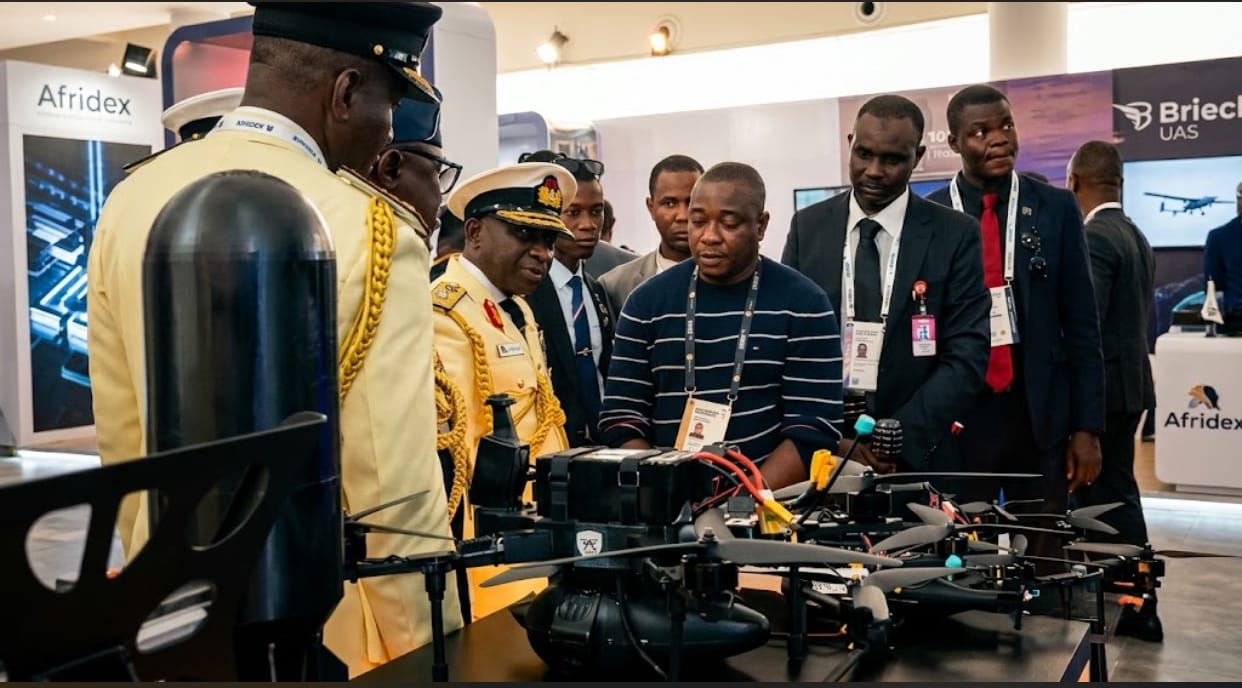
For Nigeria, strengthening these relationships offers a way to consider defence industrialisation as a broader economic and technical undertaking. It also creates a basis for identifying where indigenous businesses can contribute, provided their capabilities meet the relevant technical, operational and regulatory requirements.
The role of domestic companies should consequently be assessed through their actual expertise, production readiness and ability to meet defined requirements, rather than through the assumption that local ownership alone guarantees industrial capability.
Technology Partnerships and Industrial Sovereignty
Nigeria’s call for international investment and cooperation at AFRIDEX highlights another important consideration: developing domestic capacity does not necessarily require working in isolation.
International partnerships can provide access to specialised knowledge, manufacturing processes, technical training and investment. Their long-term value, however, depends partly on how effectively these opportunities strengthen local expertise and contribute to sustainable industrial activity.
The terms of cooperation matter. Partnerships that include meaningful skills development, technical knowledge-sharing and opportunities for domestic participation can help build capabilities that extend beyond a single procurement agreement. The precise arrangements will vary according to the technology, the partners involved and the applicable legal and security requirements.
President Tinubu’s emphasis on mutual trust and respect provides a useful principle for this approach. Partnerships should create value for the parties involved while supporting Nigeria’s stated objective of developing its own defence production capacity.
For African countries, regional cooperation may also create opportunities to share expertise, develop compatible systems and explore markets for locally produced equipment. Any export ambition, however, will depend on the products developed, their suitability for intended users and the relevant regulatory and commercial requirements.
The One-Year Target: From Commitment to Execution
A public commitment establishes direction. Delivering it requires a sequence of practical decisions and measurable progress.
The first consideration is the production scope. Large-scale manufacturing can mean different things depending on the equipment involved, the degree of local content and whether production entails component manufacture, assembly or more extensive domestic engineering. Clarifying these distinctions is essential to understanding what the one-year target will require.
The next consideration is industrial readiness. Facilities, machinery, technical personnel, component supply chains, testing arrangements and quality controls must align with the products being developed. Maintenance and repair capabilities also matter because equipment must remain serviceable after it leaves the production line.
Investment and coordination are equally important. Government institutions, domestic manufacturers, technology partners and other stakeholders need clarity on requirements, responsibilities and the standards against which progress will be assessed.
The Day One announcement at AFRIDEX did not set out a detailed implementation schedule or specify production milestones. These remain important questions as the policy ambition moves towards execution.
Progress should ultimately be assessed through evidence of operational production capacity, the quality and suitability of locally produced equipment, the development of technical expertise and the ability to maintain reliable output. The distinction between an announced target and demonstrated industrial capability will be central to evaluating the initiative.

Beyond AFRIDEX
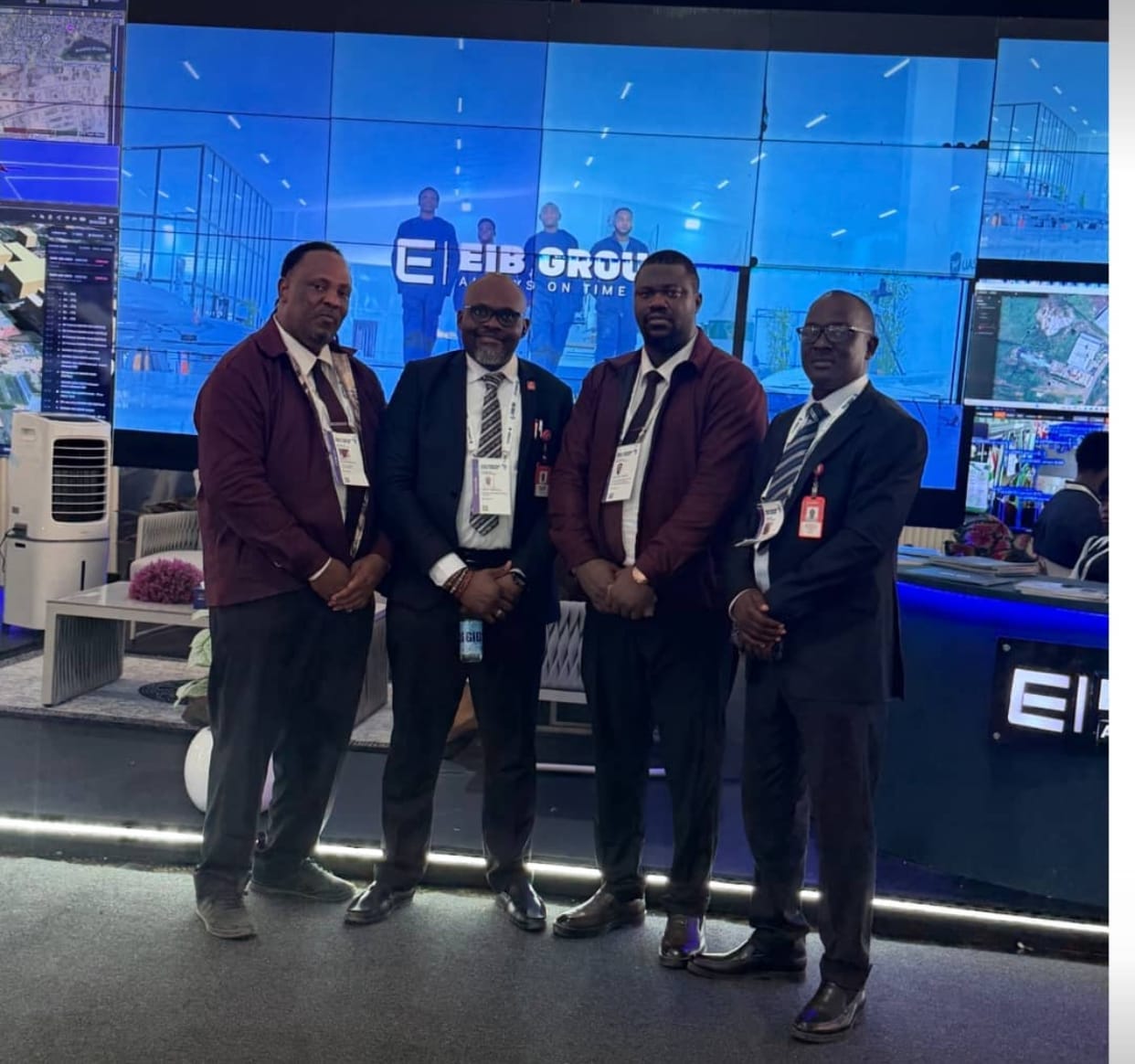
AFRIDEX 2026 has created a platform for Nigeria to present its defence industrial ambitions to international investors, technology providers and African partners. The presence of delegations from more than 20 African countries, alongside engagement with international defence stakeholders, reflects the exhibition’s potential to support dialogue and cooperation.
The significance of the event, however, will extend beyond the agreements discussed or the opportunities presented during its five-day programme. Its longer-term value will depend on what follows: investment decisions, technical collaboration, industrial development and progress towards the domestic production target announced by the Defence Minister.
Nigeria’s ambition is clear. The task now is to connect policy with the industrial capabilities needed to deliver it.
Defence industrial strength is not measured by the ambition of a production target alone. It is demonstrated through the systems, skills, partnerships and manufacturing capacity that make sustained production possible. For Nigeria, the coming year will be an important test of how effectively that ambition can be translated into practical progress.