Bridging Classroom Learning and Industrial Precision: Start-Rite Students Explore Luftreiber Automobile
Beyond theoretical science: How corporate-school engagements like Start-Rite Secondary’s visit to Luftreiber Automobile are bridging the vocational skill gap and cultivating Nigeria's next generation of technical talent.
· 1 min read
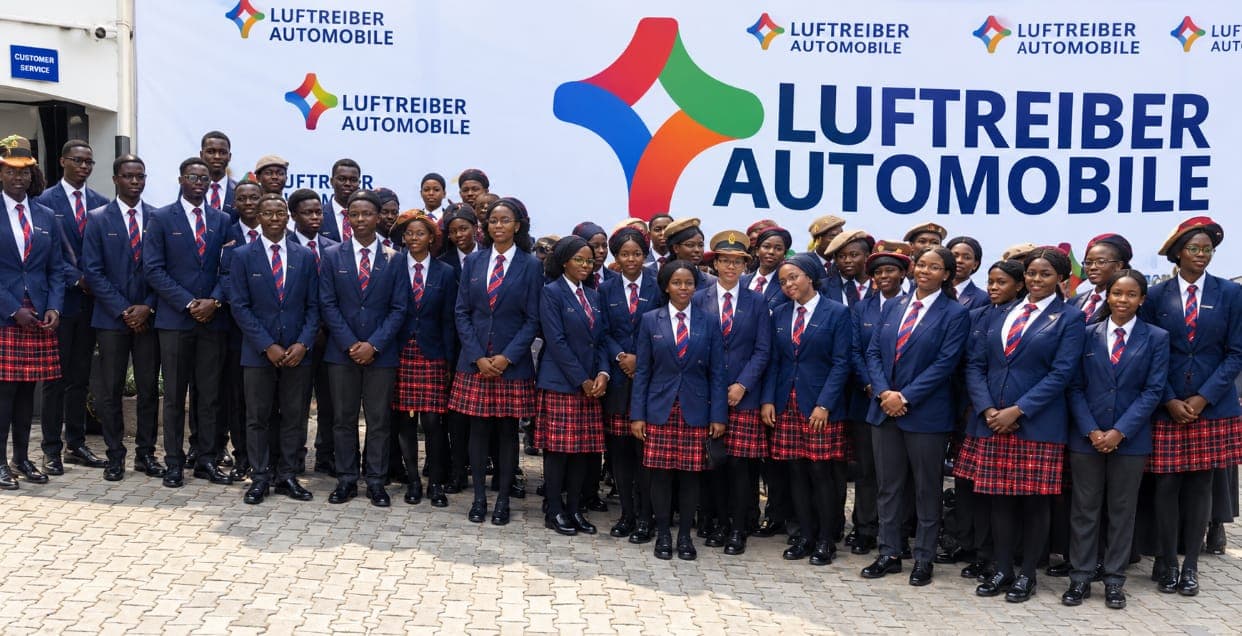
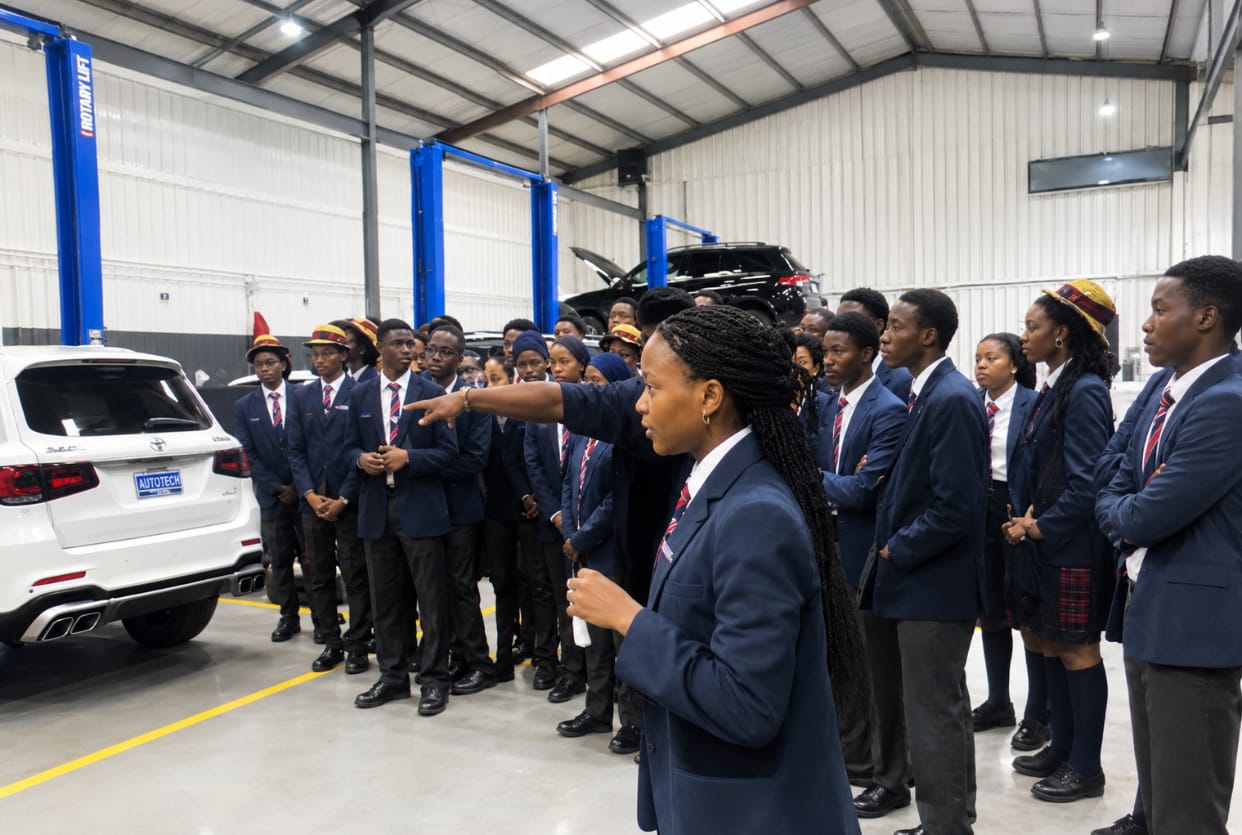
ABUJA NIGERIA: Year 11 and Year 12 students from Start-Rite Secondary School, Abuja, recently visited the Luftreiber Automobile Workshop for an educational excursion designed to connect classroom learning with practical industry experience.
The visit introduced students to modern automotive engineering, exposing them to vehicle diagnostics, maintenance procedures, repair techniques and the precision involved in professional automotive operations.
Learning Beyond the Classroom
Guided by senior technicians, the students observed workshop activities and gained practical insight into key areas of automotive servicing and restoration. The demonstrations covered:
Engine Diagnostics and Component Function: How diagnostic equipment helps identify mechanical and electronic faults in modern vehicles.
Routine Maintenance and System Care: The processes involved in preventative maintenance, transmission care and engine servicing.
Bodywork and Precision Spray Painting: The technical skill and attention to detail required in vehicle restoration and automotive finishing.
Through these demonstrations, students experienced the relationship between science, technology, engineering and practical craftsmanship in the automotive industry.
Inspiring Future Innovators
For the accompanying educators, the excursion provided an important opportunity to extend learning beyond theoretical instruction.
“This excursion serves as an invaluable bridge between theoretical STEAM education and industrial execution. Seeing these complex systems maintained in real time inspires students to pursue careers in engineering, technology, and vocational science.”
Luftreiber Automobile’s leadership also expressed enthusiasm about hosting the students, emphasising the importance of early industry exposure in developing technical knowledge and nurturing future talent.
The visit highlights the value of collaboration between educational institutions and industry. By giving young learners access to professional environments, practical demonstrations and experienced technicians, initiatives like this help make career possibilities more tangible and strengthen the connection between education and Nigeria’s growing technical workforce.