Beyond Concrete: Why Abuja’s Trees Are Critical to the City’s Climate Future
From declining green-space ratios to rising surface temperatures: Explore how balancing urban development with the preservation of Abuja's mature trees is vital for long-term climate resilience.
· 3 min read
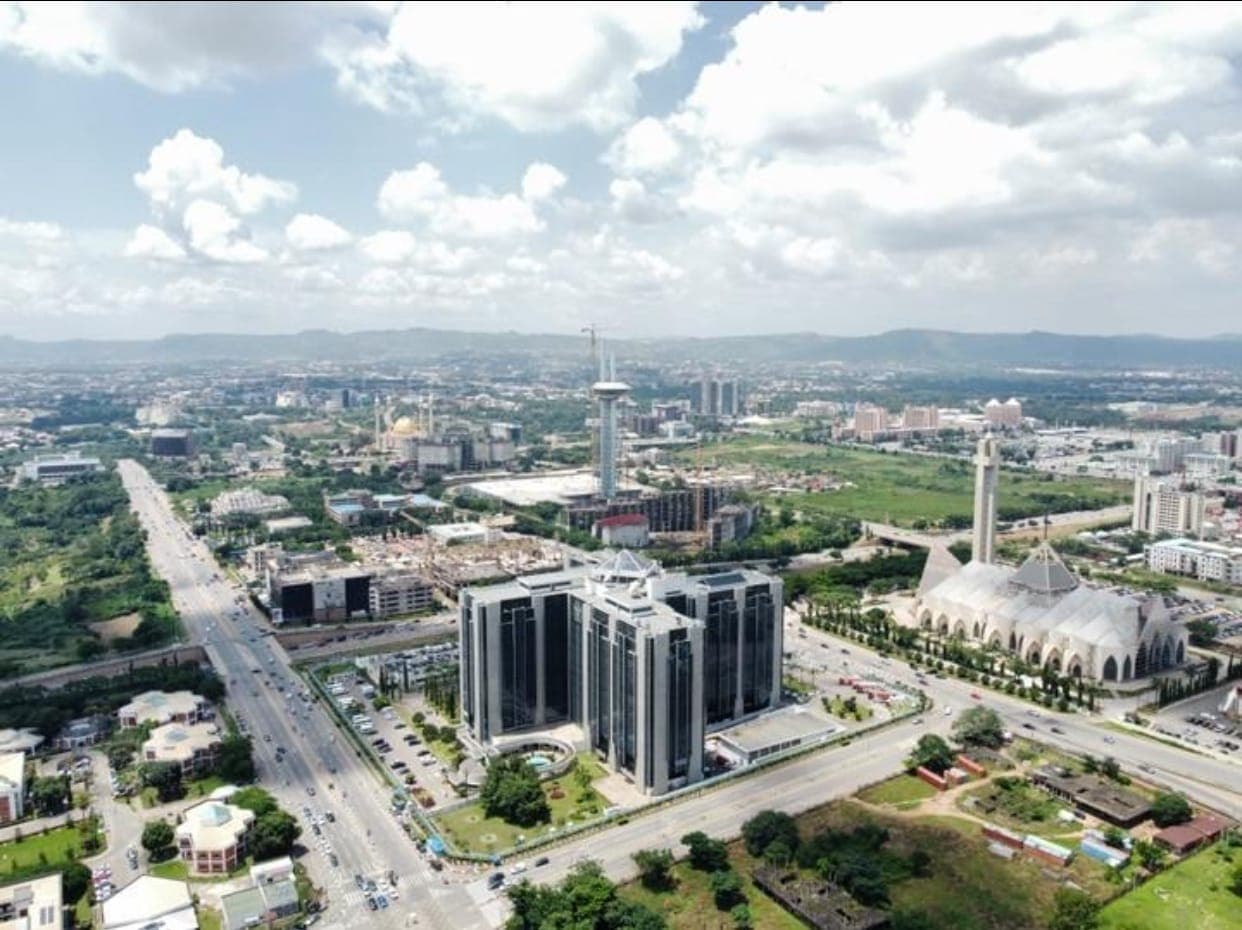
ABUJA, NIGERIA: Abuja is known for its planned layout, broad roads, open spaces and greenery, with trees forming an important part of the environmental character of Nigeria’s Federal Capital. However, rapid urban development is steadily changing this landscape as trees and vegetated areas give way to buildings, roads, parking spaces and other infrastructure.
Recent research highlights the scale of this transformation. One study reported that Abuja’s green-space ratio declined from 42.43 per cent in 1990 to 17.9 per cent in 2023, while green-space availability per person fell from 73 square metres to 22.68 square metres. Another study found that built-up land in the Federal Capital City expanded from 56.9 km² in 1990 to 247.8 km² in 2020, while forest and grassland declined substantially under the study’s land-cover classification.
The Microclimate Impact: Urban Heat and Rising Temperatures
The significance of this transformation extends beyond the visual loss of greenery. Trees function as natural urban infrastructure, providing shade, cooling surrounding areas through evapotranspiration and helping regulate local environmental conditions.
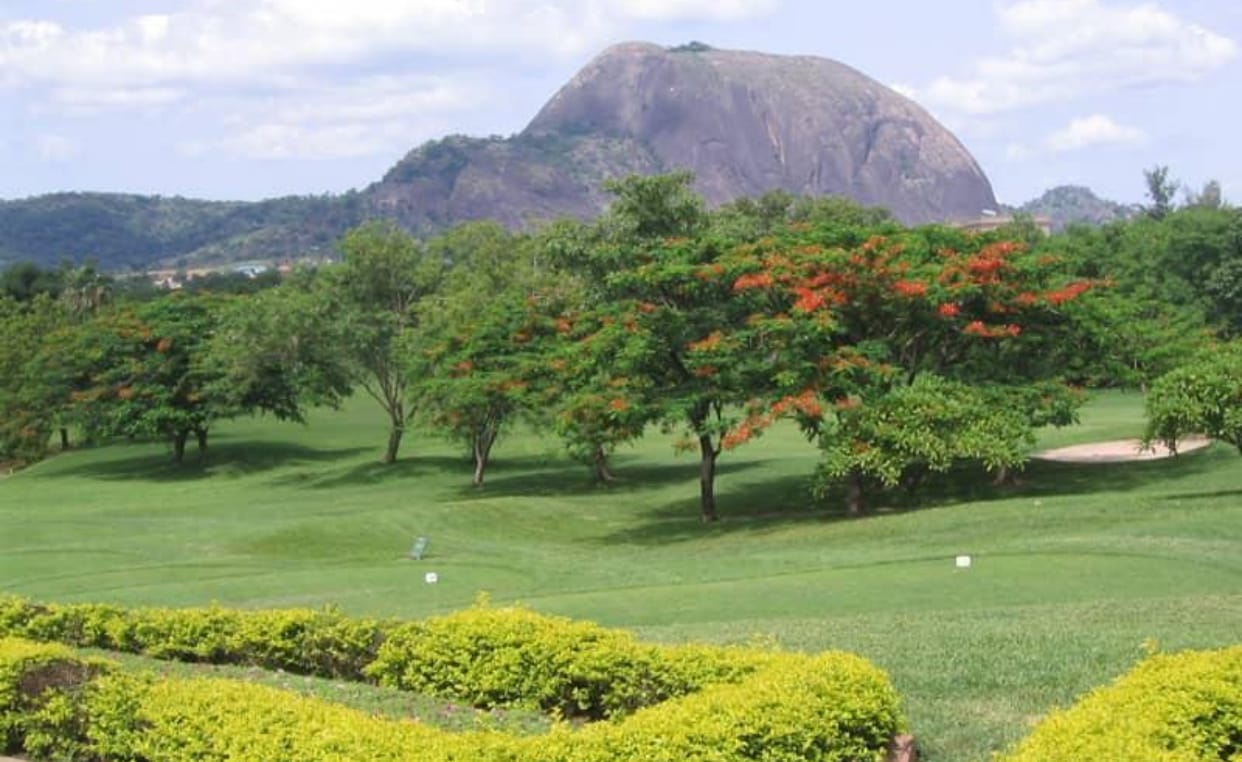
Research on Abuja’s land-surface temperature recorded an increase of approximately 2.01°C between 1990 and 2020, with built-up areas generally experiencing higher temperatures than vegetated locations. Another study found that Abuja’s Recreational Park was approximately 2.04°C cooler than its surrounding area within a 350-metre buffer. With the Nigerian Meteorological Agency recording a maximum temperature of 40.8°C in Abuja in 2024, including four days above 40°C, the importance of urban vegetation in reducing heat exposure becomes increasingly evident.
Managing Rainfall and Runoff Risks
The loss of vegetation also affects how the city manages rainfall. Trees and healthy soils help intercept rainwater and support infiltration, while concrete and asphalt create impermeable surfaces that increase surface runoff.
A study examining Abuja’s land-use changes identified substantial expansion in built-up areas and increased runoff from developed locations, with 59 of 134 districts classified as having high or very high runoff-accumulation risk. Tree removal alone does not cause flooding, as rainfall intensity, drainage capacity, blocked channels, topography and development patterns also influence flood risk. However, converting vegetation and permeable land into hard surfaces reduces the landscape’s natural capacity to absorb and manage rainfall.
Socioeconomic Value and Mature Tree Preservation
The environmental consequences also carry socioeconomic implications. Mature trees provide shade for pedestrians and outdoor workers, support biodiversity, improve public spaces and contribute to recreational and aesthetic value.
Their removal can indirectly increase dependence on mechanical cooling, place additional pressure on drainage systems and reduce opportunities for outdoor activity. Their environmental value is therefore difficult to capture through conventional construction calculations alone. A newly planted seedling may contribute to future green cover, but it cannot immediately replace the shade, habitat and carbon-storage capacity of a mature tree that may have taken decades to develop.
Towards Environmentally Intelligent Urban Growth
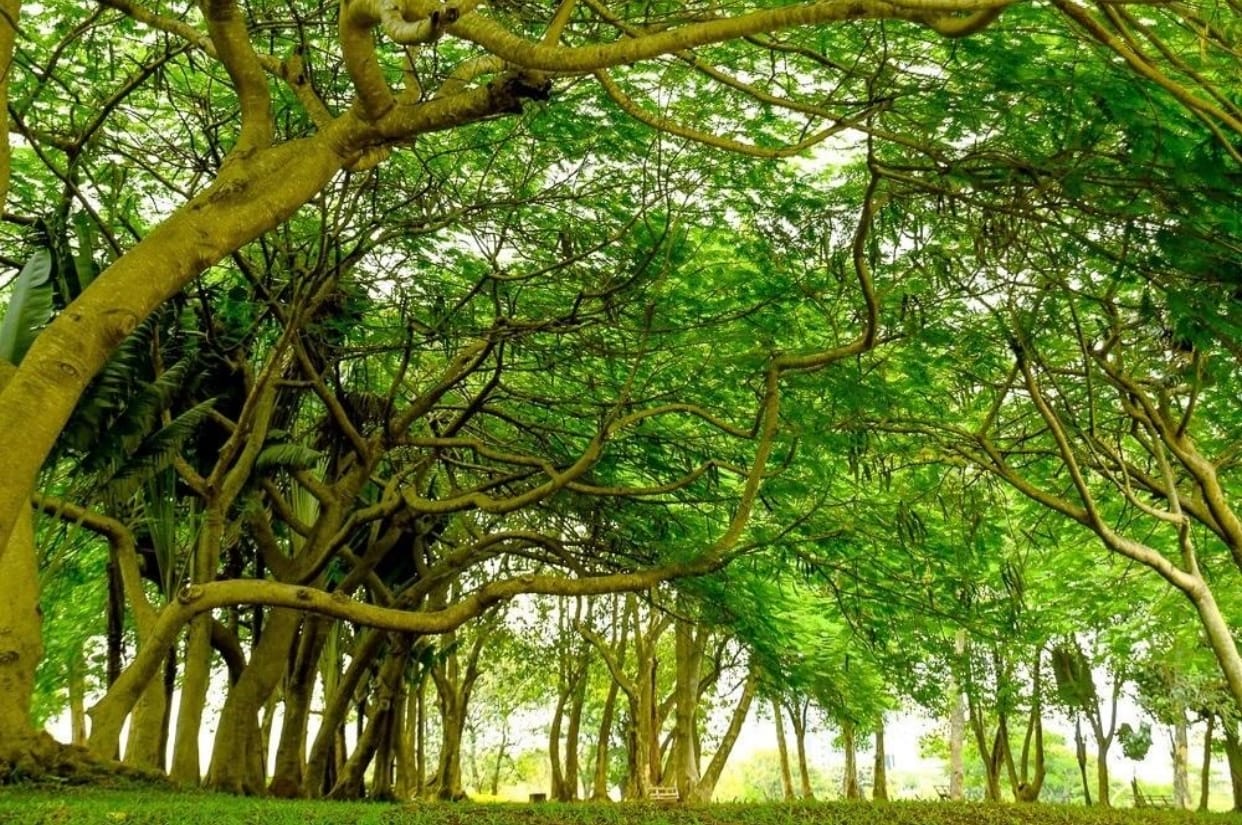
The challenge is not to stop Abuja’s development, but to make urban growth more environmentally intelligent. Mature trees should be preserved wherever practicable, while major developments should incorporate tree retention, landscaping and green infrastructure plans from the design stage.
Where removal is unavoidable, replacement strategies should consider ecological value, species selection, location and long-term survival rather than simply counting seedlings. Technology can further strengthen this approach through Geographic Information Systems (GIS), satellite imagery, urban tree inventories and regular monitoring of vegetation, land cover, surface temperatures and drainage patterns. These tools can help planners move beyond responding to environmental degradation after it occurs towards identifying and managing risks earlier.
Shaping Abuja’s Climate Future
The forthcoming review of the Abuja Master Plan presents an opportunity to integrate urban forestry, green corridors, climate resilience and tree protection more firmly into the city’s long-term development framework.
Abuja’s future should be measured not only by the buildings constructed or roads completed, but also by the quality of its environment, the availability of green spaces, the resilience of its drainage systems and residents’ ability to find relief from rising urban heat.
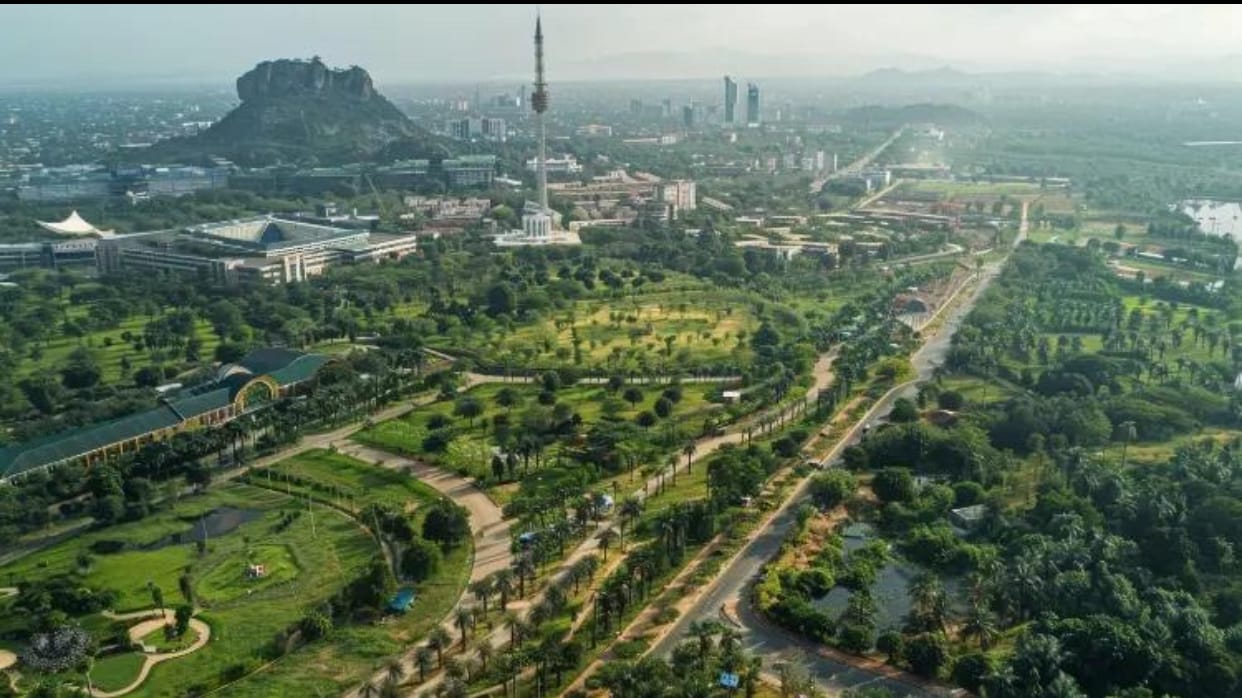
Development and environmental protection need not be competing objectives. Concrete provides the structures and infrastructure a growing city requires, while trees deliver essential environmental services that help make that city healthier, cooler and more resilient. Protecting mature trees today is an investment in the liveability of Abuja tomorrow.