Building for the Next Century: Green Practices, Adaptive Reuse, and Asset Lifecycle Management
· 5 min read
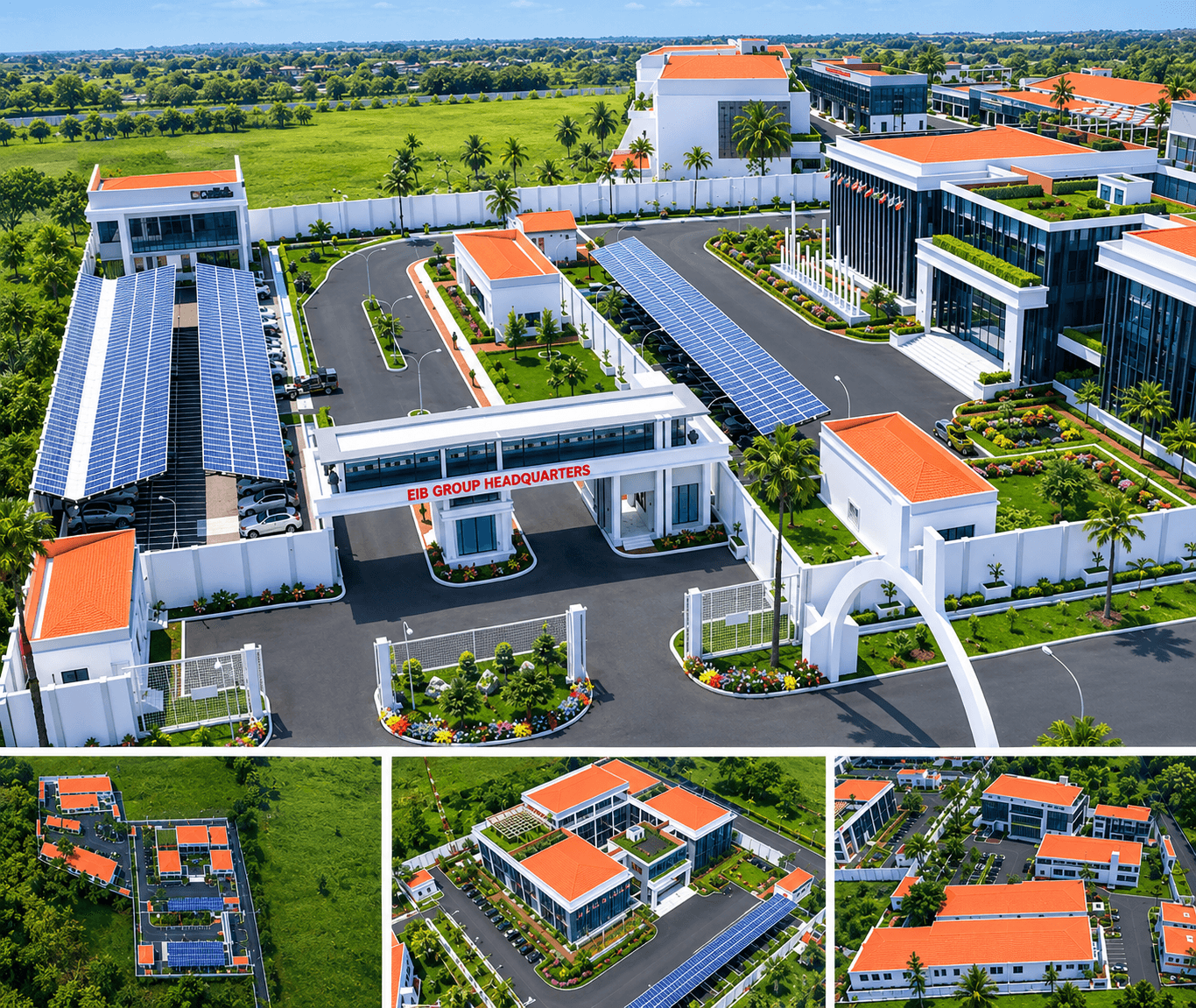
Every new development begins with a blueprint, a timeline, and a ribbon-cutting ceremony. Yet, the true measure of an asset's worth lies far beyond its opening day. As construction activity accelerates to meet modern commercial, industrial, and institutional needs, a fundamental question remains: how long will these structures last, and how well will they adapt to changing demands?
Construction is often judged by what can be seen at completion: the structure delivered, the project timeline met and the keys handed over. However, a building’s value extends far beyond its opening day. Its durability, environmental performance, maintenance requirements and ability to accommodate future needs are equally important measures of success.
For engineers, developers and asset owners, this calls for a broader approach to the built environment, one that considers not only how structures are delivered, but how they perform throughout their useful lives.
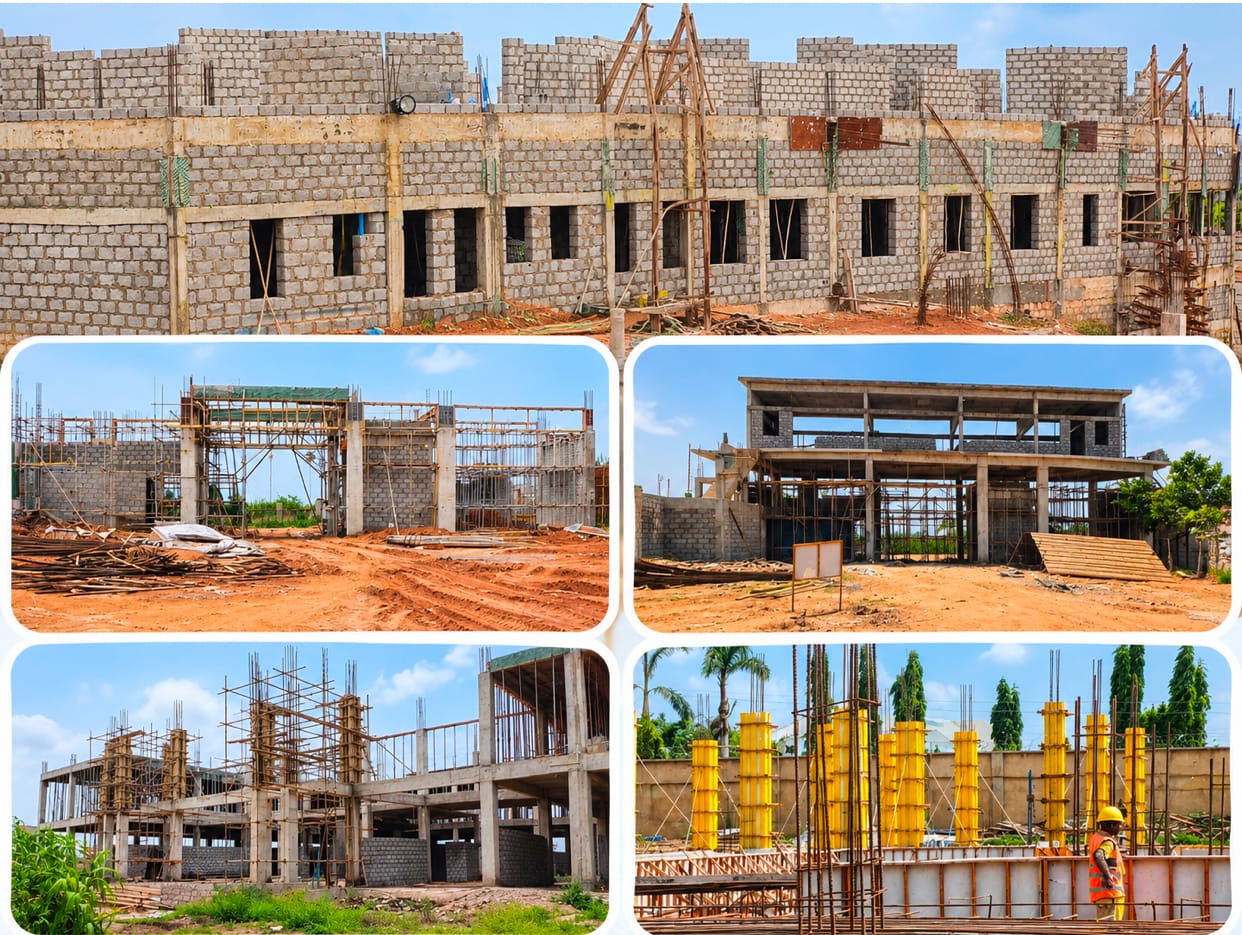
Beyond Completion: The Lifecycle Imperative
Decisions made during planning and construction can influence a building’s performance for decades. Material selection, energy use, local climatic conditions and the changing needs of occupants all affect how an asset ages and remains fit for purpose.
In West Africa, heat, humidity and seasonal rainfall present practical considerations for building design, material specification and maintenance. When these factors are not adequately addressed, buildings may require more frequent repairs or become less suitable for their intended use.
A lifecycle approach brings these considerations into the process from the outset. Green building practices can help teams consider energy efficiency, responsible resource use and material performance alongside the immediate requirements of construction. The objective is not simply to complete a project, but to make informed decisions about how the resulting asset will function over time.
This approach also challenges the assumption that progress must always involve building something new. Where existing structures remain suitable for intervention, rehabilitation, modernisation and adaptive reuse can offer important alternatives to demolition and replacement.
The Case for Adaptive Reuse and Structural Rehabilitation
As cities evolve, buildings may no longer serve their original purpose. Commercial spaces become outdated, industrial facilities require new functions, and existing structures may need upgrades to meet changing operational requirements. Demolition is one possible response, but it is not always the most appropriate.
Structural rehabilitation, modernisation and adaptive reuse provide different ways to address these challenges.
Structural rehabilitation involves assessing and restoring existing structures where necessary to address deterioration, improve safety or support continued use.
Modernisation projects upgrade existing facilities to respond to changing functional, technological, operational or regulatory requirements.
Adaptive reuse gives an existing building a new purpose, potentially allowing it to serve contemporary needs without complete demolition.
Each intervention requires careful assessment. A structure must be evaluated for its condition, suitability and the work needed to support its proposed use. Not every building can or should be retained, but where reuse is technically and economically viable, it may help conserve materials, reduce demolition waste and make better use of existing urban space.
The wider lesson is that sustainable engineering is not exclusively about improving how new buildings are constructed. It also involves making sound decisions about the buildings already in place.
Maintenance Is Part of the Engineering Process
A building does not stop requiring engineering attention once construction is complete. Its systems, materials and structural components continue to experience wear, while changes in occupancy and use can create new demands.
Without appropriate maintenance, minor defects may develop into more serious problems. Water ingress, deteriorating finishes, failing building services and neglected repairs can affect a facility’s usability and increase the complexity of future interventions.
Effective asset management therefore begins with a clear understanding of a building’s condition and maintenance needs. Routine inspections, preventive maintenance, timely repairs and accurate records help owners identify issues, plan expenditure and make informed decisions about the continued use of their assets.
Maintenance cannot eliminate every failure or guarantee a particular lifespan. However, a planned approach can help reduce avoidable deterioration, support safe operation and protect the long-term usefulness of a building.
This makes facility management an essential part of the asset lifecycle, rather than a separate activity that begins only when construction teams leave the site.
Briech Atlantic and the Asset Lifecycle
The relationship between construction, rehabilitation and maintenance provides a practical lens through which to examine the evolving responsibilities of engineering and construction firms.
Briech Atlantic’s documented service areas include green building practices, structural rehabilitation, modernisation projects, adaptive reuse, building upgrades, facility management, maintenance planning and after-sale building maintenance. Together, these services span several stages in the life of a built asset, from its initial development to its continued operation and upkeep.
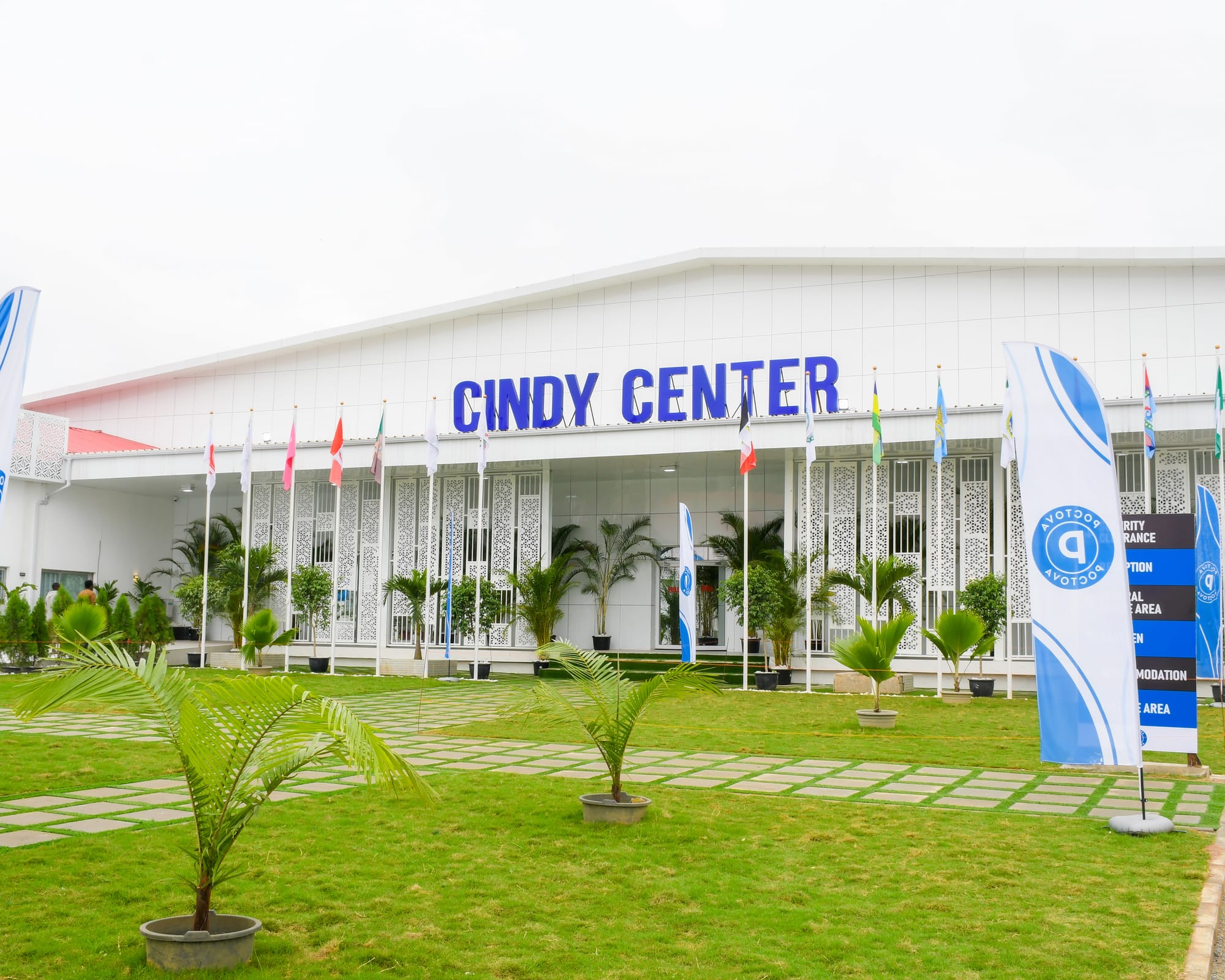
This range reflects a broader principle: the needs of a building change over time, and the services required to support it must respond accordingly. New construction addresses one set of needs; rehabilitation, modernisation and maintenance address others that emerge as buildings age or their intended uses change.
For asset owners, this perspective encourages a more complete view of project value. The initial construction cost remains important, but decisions about maintenance, future adaptation and continued suitability also deserve attention from the planning stage.
Redefining Long-Term Value
Sustainable construction is ultimately about making informed decisions throughout the life of a built asset. It requires knowing when to build, when to rehabilitate, when to adapt an existing structure and how to maintain it responsibly.
As West Africa continues to develop its residential, commercial and institutional infrastructure, the measure of progress should extend beyond the number of buildings delivered. It should also consider how well those buildings serve their users, respond to changing needs and remain fit for purpose over time.
Building for the next century does not mean assuming that every structure will last for a hundred years. It means recognising that the long-term value of the built environment depends on decisions made before construction, during delivery and long after handover.
The future of sustainable engineering will be shaped not only by what we build, but by how intelligently we preserve, adapt and manage what we already have.