
Beyond Damage Control: The Evolution of Crisis Communication and Organisational Resilience
As digital news and social media accelerate the spread of information, modern crisis communication is shifting away from reactive damage control toward proactive risk monitoring, cross-functional coordination, and long-term organizational resilience.
· 6 min read
ABUJA, NIGERIA: Crisis communication has traditionally been associated with responding when an organisation faces an incident that threatens its reputation, operations or relationships with stakeholders. The conventional approach involved preparing official statements, appointing spokespersons and engaging the media to explain developments and limit reputational damage. While these measures remain important, the speed, scale and complexity of today’s information environment demand a more proactive and integrated approach.
For modern organisations, a crisis rarely develops in isolation. An operational disruption can quickly become a reputational concern, a security incident can generate widespread public attention, and an inaccurate report can influence stakeholder confidence before the facts are fully established. This changing environment is making crisis communication an essential part of organisational risk management, preparedness and institutional resilience.
The focus is therefore shifting from managing public reactions after an incident to identifying potential risks, preparing communication systems and ensuring that organisations can respond effectively when uncertainty emerges.
The Changing Nature of Organisational Crises
The expansion of social media, digital news platforms and instant messaging has significantly changed how information travels during a crisis. Developments can attract public attention within minutes, while unverified claims, speculation and misinformation may circulate alongside legitimate reports.
For organisations, this creates a difficult communication environment. Decisions must often be made while information is still emerging, and delays can leave room for inaccurate narratives to influence public perception.
However, responding too quickly without adequate verification can be equally damaging. An organisation that communicates inaccurate information may weaken its credibility and create additional uncertainty.
Effective crisis communication must therefore balance speed with accuracy. It requires established procedures for verifying information, assessing the potential impact of an incident and determining what should be communicated to different stakeholders.
This makes preparedness increasingly important. Organisations need to understand their vulnerabilities, anticipate possible scenarios and establish communication structures before a crisis occurs.

Technology and the Rise of Early-Warning Communication Systems
Technology is creating new opportunities for organisations to identify emerging concerns and understand how information is developing around them.
Digital monitoring and social listening tools can help communication teams observe online conversations, identify unusual patterns and detect rapidly developing narratives. These systems can provide early indications of emerging reputational concerns, stakeholder dissatisfaction or misinformation that may require further investigation.
Artificial intelligence is also expanding the possibilities for analysing large volumes of information. AI-assisted tools can help organise reports, identify recurring themes, monitor changes in public conversations and support the assessment of emerging communication risks.
However, these technologies should be treated as support systems rather than independent decision-makers. Automated analysis may identify patterns, but it cannot always establish the accuracy, context or significance of the information being examined. Human judgement, verification and professional oversight remain essential.
The real value of technology lies in giving organisations better visibility of their information environment and supporting more informed decisions. When properly integrated into communication and risk-management processes, digital monitoring can help organisations identify potential concerns earlier and prepare appropriate responses.
Crisis Communication as an Organisation-Wide Responsibility
One of the limitations of traditional crisis communication is the tendency to place primary responsibility on the communications or public relations department.
Although communication professionals play a central role in managing information and stakeholder engagement, many crises require decisions and contributions from several parts of an organisation.
An operational disruption may involve leadership, operations, security, legal, technology and human resources teams. A cybersecurity incident may require technical investigation before an organisation can accurately communicate what has happened. A regulatory issue may require legal assessment and engagement with relevant authorities before a public position is established.
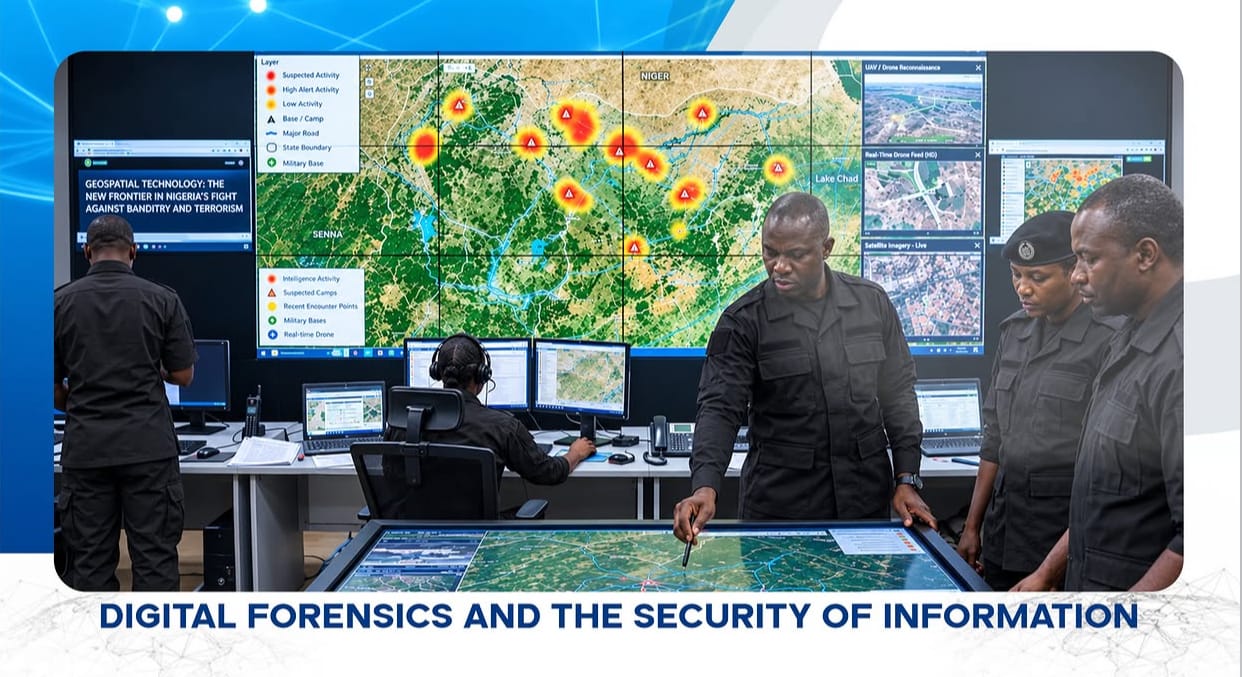
This makes cross-functional coordination essential.
Organisations need clearly defined responsibilities, escalation procedures and approval structures that allow relevant teams to work together when decisions must be made quickly. Communication teams must have access to verified information, while operational and technical teams must understand the importance of timely internal reporting.
Leadership also has a critical role. Senior decision-makers must provide direction, approve appropriate responses and ensure that communication remains consistent with the organisation’s actions.
A crisis response is most effective when communication is connected to the wider process of understanding and managing the incident.
Credibility, Transparency and the Management of Uncertainty
During a crisis, stakeholders need information that is accurate, understandable and timely. They also expect organisations to demonstrate accountability and communicate with a clear understanding of the situation.
Credibility is therefore one of the most important assets an organisation can protect.
The pressure to provide immediate answers should not encourage speculation or unsupported claims. Where an investigation is ongoing, organisations should distinguish between confirmed information, matters still being reviewed and actions already being taken.
Acknowledging uncertainty can be more responsible than presenting incomplete information as established fact. It also allows organisations to provide updates as new information becomes available.
Transparency does not necessarily mean disclosing every operational detail. Certain information may be subject to legal, security, privacy or regulatory restrictions. The responsibility is to communicate as openly as circumstances permit while protecting legitimate institutional and stakeholder interests.
Consistency is equally important. Messages communicated through official statements, media engagements, digital platforms and direct stakeholder channels should reflect the same verified position.
Internal Communication and Organisational Continuity
Crisis communication must extend beyond external audiences. Employees, contractors and other internal stakeholders also need clear information about developments that affect the organisation.
When internal communication is neglected, employees may rely on rumours, incomplete reports or information from external sources. This can increase confusion and make coordinated action more difficult.
A structured internal communication approach helps employees understand what has happened, what actions are being taken and what responsibilities they may have during the response.
It also supports organisational continuity. Where a crisis affects normal operations, employees need guidance on revised procedures, reporting channels and relevant safety or operational measures.
Internal communication should therefore form part of the same crisis framework as external communication. Both must be timely, consistent and informed by verified information.
From Crisis Response to Organisational Resilience
An organisation’s responsibility does not end when the immediate crisis is contained. The period following an incident provides an opportunity to evaluate the response, identify weaknesses and strengthen existing systems.

Post-crisis reviews can reveal gaps in communication procedures, delays in decision-making, unclear responsibilities and weaknesses in information management. These findings should inform updates to crisis protocols, staff training, monitoring systems and stakeholder engagement processes.
Scenario planning and simulation exercises can also help organisations test their preparedness before an actual incident occurs. By examining how teams respond to different situations, leadership can identify areas requiring improvement and build greater confidence in established procedures.
Over time, these processes contribute to organisational resilience: the ability to anticipate disruption, respond effectively, maintain essential functions and adapt to changing circumstances.
The most prepared organisations are not necessarily those that never experience crises. They are those that have developed the structures, relationships and decision-making capabilities required to manage difficult situations responsibly.
Building a More Resilient Communication Architecture
The future of crisis communication will be shaped by the integration of technology, institutional preparedness, credible leadership and coordinated decision-making.
Digital monitoring and artificial intelligence will continue to provide new ways of identifying emerging concerns and analysing information. However, their effectiveness will depend on the quality of the processes, professional judgement and governance structures supporting their use.
For government institutions, corporate organisations and businesses operating in increasingly interconnected environments, crisis communication must become part of a broader resilience strategy.
This means investing in preparedness before incidents occur, establishing clear communication responsibilities, strengthening internal information systems and building trusted relationships with stakeholders.
Ultimately, crisis communication is no longer simply about controlling the narrative after something goes wrong. It is about developing the awareness, coordination and credibility required to navigate uncertainty.
The transition from damage control to organisational resilience begins when communication is treated not as an emergency function, but as an essential part of how an organisation prepares, operates and sustains trust.