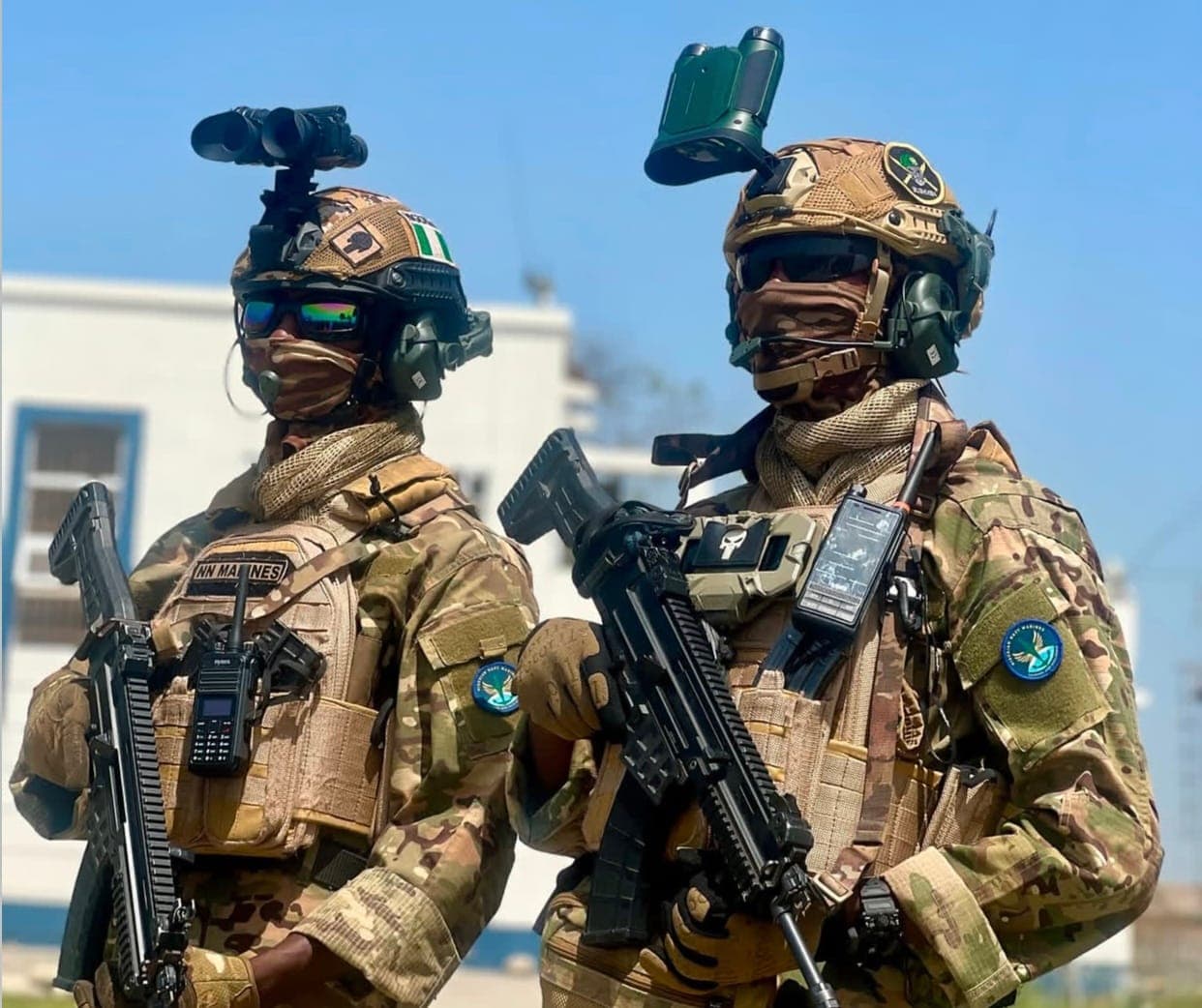
Driving Defence Sovereignty: How the EIB–DICON Partnership is Localising Military Tech & UAV Production in Nigeria
· 3 min read

A Paradigm Shift in National Defence
For decades, African nations have relied heavily on off-the-shelf foreign defence procurements to meet pressing internal security needs. While these international acquisitions provide immediate hardware; they often create long-term vulnerabilities, supply chain disruptions, exorbitant maintenance costs, delayed deployment cycles, and limited access to critical operational data.
The landmark Memorandum of Understanding (MoU) signed between EIB Group and the Defence Industries Corporation of Nigeria (DICON) marks a decisive transition from import dependency to domestic capability. Executed under the regulatory framework of the DICON Act, this public-private framework establishes a sovereign manufacturing pipeline on Nigerian soil, combining public-sector institutional authority with private-sector innovation, agile software, and advanced hardware engineering.
Localising defence production is no longer just an economic strategy; it is a fundamental requirement for national security. By pairing EIB Group’s technical engineering with DICON’s statutory mandate, we are ensuring that the tools protecting Nigerian lives are designed, built, and maintained right here at home. — Dr Bright Echefu (Chairman & CEO)

Technical Deep Dive: The Subsidiary Infrastructure
At the core of this partnership are two specialised arms of EIB Group, bringing complementary engineering and tactical manufacturing capabilities to the national defence ecosystem:
1. Briech UAS: Unmanned Systems & Aerial Intelligence
Modern tactical environments require continuous situational awareness, rapid reconnaissance, and precision data gathering over vast, challenging terrain. Briech UAS provides the hardware and aerial intelligence backbone for the partnership:
Domestic UAV Manufacturing: Local assembly, testing, and customisation of long-range, high-definition Unmanned Aerial Vehicles (UAVs) optimised for African atmospheric and topographical conditions.
Multi-Sensor ISR Integration: Integration of high-resolution optical cameras, thermal imaging, and synthetic aperture radar for border surveillance, anti-banditry missions, and infrastructure protection.
Autonomous & Fleet Management Software: Secure flight control software integrated directly with command centres to ensure end-to-end data privacy and real-time telemetry processing.
2. Poctova: Advanced Tactical Apparel & Ballistic Protection
Defence sovereignty requires protecting the modern operator from head to toe. Poctova brings military textile engineering and ballistic innovation into domestic production:
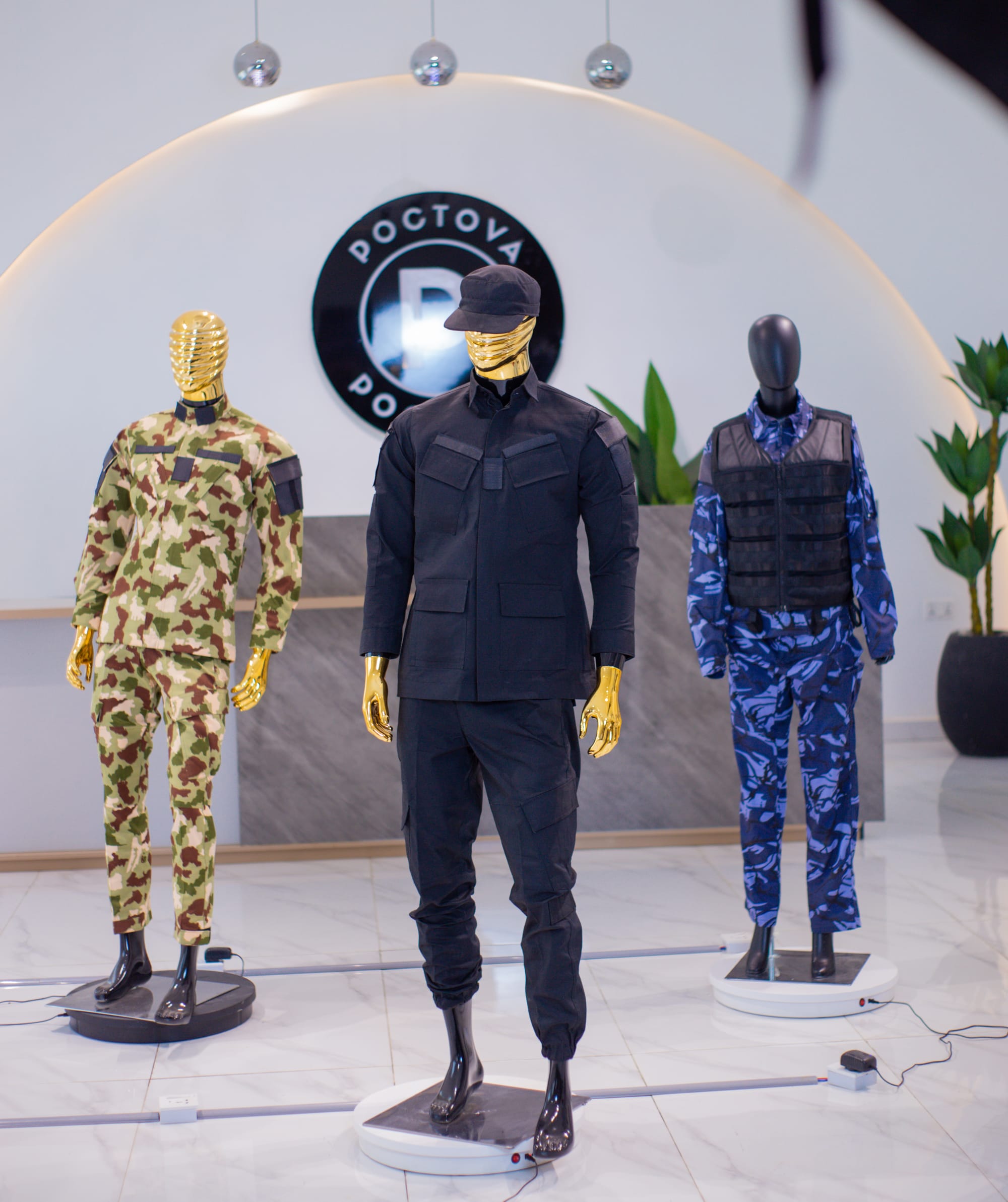
Smart Military Apparel: Design and manufacture of high-durability tactical uniforms using advanced fabric technology engineered for moisture-wicking, heat regulation, and extreme environmental wear.
Ballistic & Protective Solutions: Production of lightweight, flexible soft ballistic materials and tactical protective gear tailored to local operational requirements without compromising agility.
Global Technical Exchange: Leveraging international technology transfers, including engagements with international partners like Mile Dragić Production, to adapt global ballistic standards to African combat theatres.
Institutional Synergy: The EIB 360° Defence Architecture
The EIB–DICON partnership does not operate in isolation; it integrates seamlessly into EIB Group’s wider intelligence and technology infrastructure:
EIB Stratoc & The Special Activities Centre (SAC): Provides command-and-control fusion centres, real-time multi-sensor data processing, and tactical field support.
Giga Forensics: Supplies secure encryption, digital forensics, lawful interception, and signal intelligence tools to protect military communications.
Briech Atlantic & Civil Infrastructure: Enhances operational bases with digital twin modelling, GIS mapping, and smart infrastructure support.

Economic & Strategic Impact
Beyond immediate military readiness, the EIB–DICON alliance catalyses broader national growth and technological self-reliance:
Human Capital & Skill Transfer: Creation of specialised technical roles for Nigerian aerospace engineers, software developers, robotics technicians, and textile specialists.
Resilient Supply Chains: Reduction of foreign exchange exposure and procurement lag times through localised spare parts manufacturing and software updates.
Regional Export Potential: Positioning Nigeria as a regional hub for African defence technology, capable of manufacturing and exporting tactical solutions tailored to regional operational conditions.