Unlocking the Future of Business: How Integrated Technology Drives Multi-Sector Growth
· 4 min read
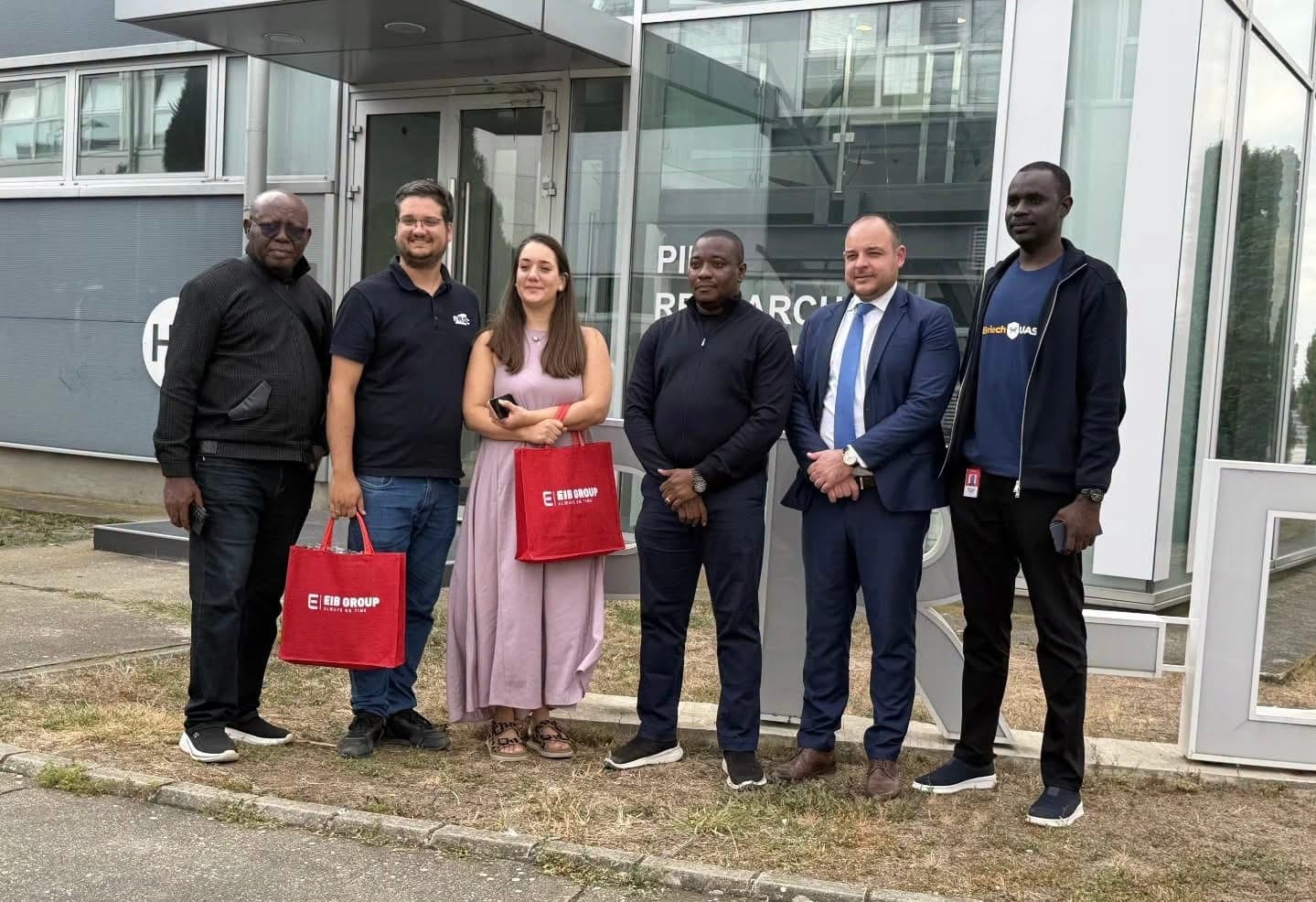
ABUJA, NIGERIA: Across Africa, businesses are operating in increasingly complex environments. Customer expectations are changing, industries are becoming more interconnected, and organisations are under growing pressure to deliver better services, improve efficiency and remain competitive. In this environment, technology is no longer simply a tool for modernisation. It is becoming central to how businesses operate, connect their capabilities and create value.
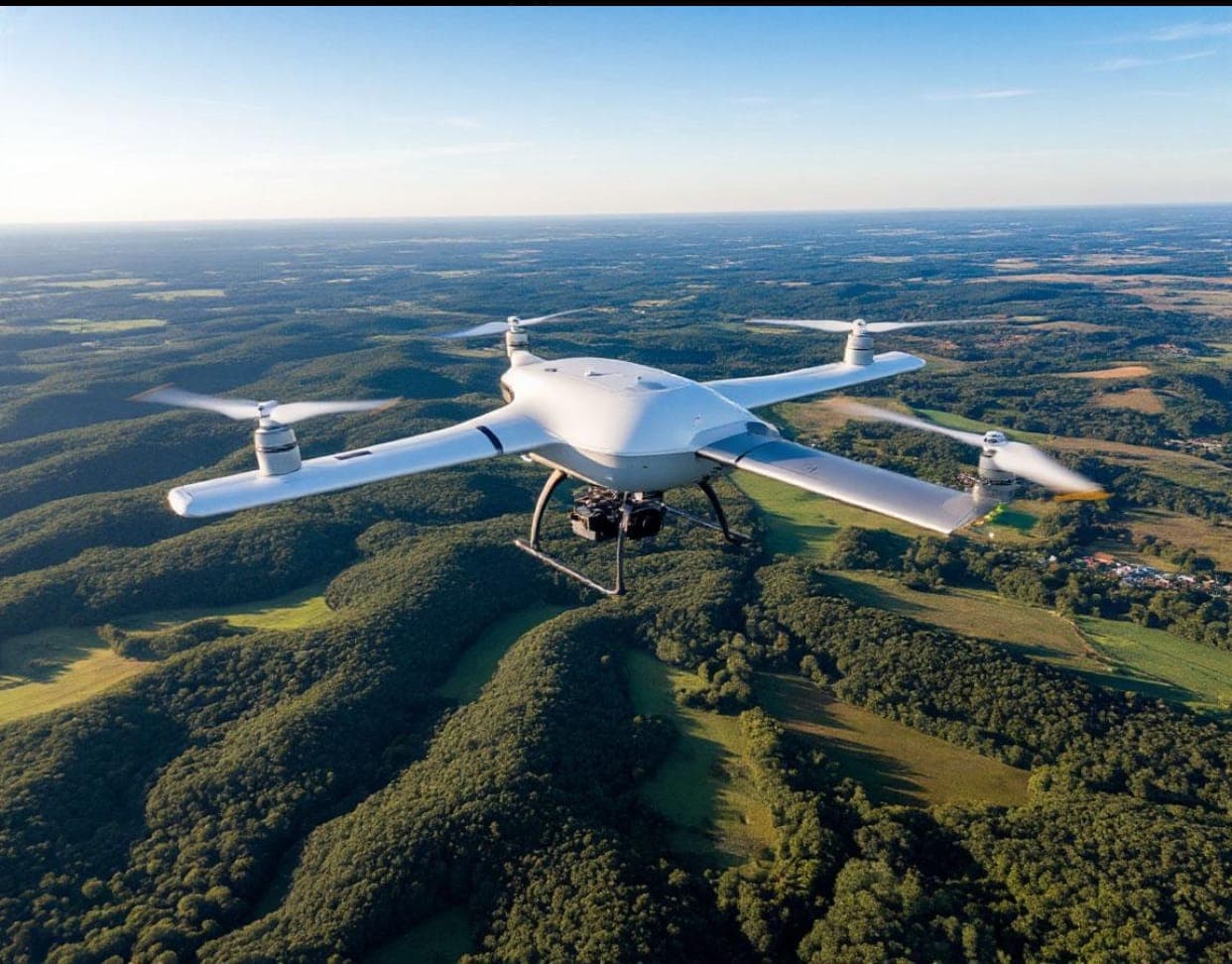
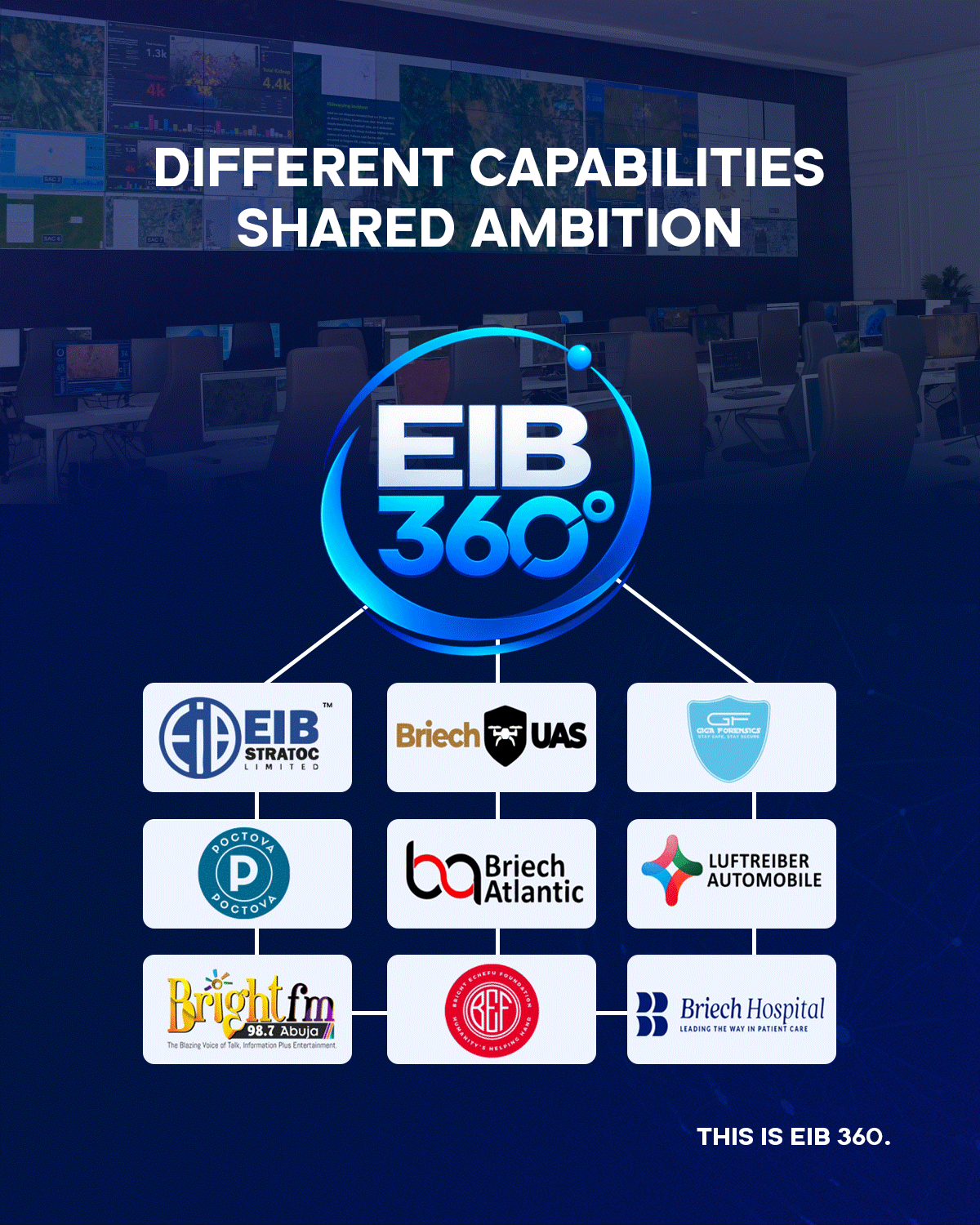
This shift is particularly significant for organisations working across multiple sectors. From defence and security technology to forensic intelligence, unmanned aerial systems, construction, healthcare, garment manufacturing and media services, each industry has distinct operational demands. Yet they share a common requirement: reliable systems, informed decisions and the ability to coordinate people, processes and resources effectively.
The opportunity lies not merely in adopting more technology, but in integrating it in ways that strengthen the relationship between different business functions.
Beyond Digital Adoption: The Case for Integration
Many organisations approach digital transformation by introducing technology to individual departments or business operations. While this can improve specific processes, isolated systems may create new challenges when information and workflows cannot move effectively across an organisation.
Integrated technology takes a broader approach. It connects relevant systems, information and processes so that different parts of an enterprise can work with greater coordination. This can improve visibility across operations, support more informed decision-making and reduce unnecessary duplication.
The distinction is important. A business may have advanced software, digital infrastructure and automated equipment, but these investments deliver greater organisational value when they support a coherent operational framework.
Technology should also complement human expertise. Automated systems can process information, identify patterns and support routine tasks, while experienced professionals provide judgement, oversight and the context required to make sound decisions. The objective is to strengthen organisational capability, not simply increase technological adoption.
Five Capabilities That Integrated Technology Can Strengthen
When appropriately designed and implemented, integrated technology can support several areas of business performance.
1. Predictive and Operational Intelligence
Connected information systems can help organisations identify patterns, monitor changing conditions and anticipate operational requirements. In security operations, for example, relevant intelligence can support situational awareness. In healthcare and infrastructure management, timely information can help teams plan resources and respond to emerging needs.
2. Personalised Service Delivery
Technology can help businesses understand the different needs and preferences of their customers. In broadcasting and PayTV, this may support more relevant content experiences. Across other service industries, it can improve customer communication, service delivery and engagement.
3. Data-Informed Decision-Making
Information becomes more valuable when it is accessible, reliable and relevant to the decisions being made. Integrated systems can help organisations bring together information from different operations, giving decision-makers a clearer view of performance, emerging challenges and available resources.
4. Greater Operational Coordination
Businesses operating across different functions often depend on the coordination of people, equipment, logistics and information. Integrated technology can help streamline workflows, improve communication and reduce avoidable delays across activities such as engineering, manufacturing, investigations and service delivery.
5. Stronger Commercial Performance
The value of technology ultimately depends on its contribution to organisational objectives. Better coordination, improved service delivery and more informed resource allocation can support productivity and competitiveness. However, these outcomes depend on appropriate implementation, workforce readiness and continuous evaluation.
Building a Connected Enterprise
The case for integrated technology becomes more significant when an organisation operates across multiple sectors. Different businesses may have different customers, technical requirements and operating environments, but they can still benefit from shared principles of information management, operational coordination and technological innovation.
For organisations with interests across security, engineering, manufacturing, healthcare and media, the challenge is to understand where technology can create meaningful connections without overlooking the specialised requirements of each sector.
This requires more than acquiring digital tools. It calls for deliberate investment in infrastructure, skilled personnel, systems integration, data governance and the processes needed to ensure that technology supports real operational needs.
It also requires recognising that integration is not the same as making every business operate identically. Each sector must retain the technical expertise and operational independence required to serve its market effectively, while benefiting from relevant shared capabilities where appropriate.
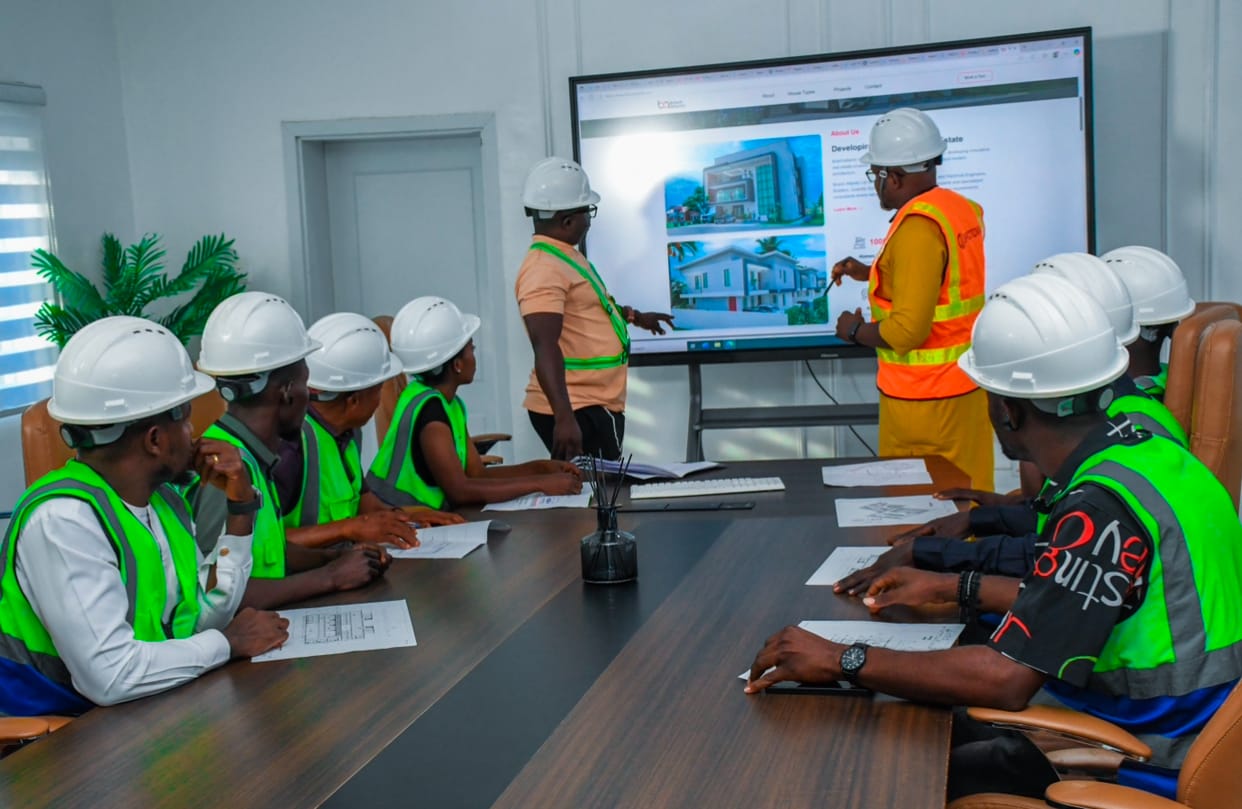
Technology as a Foundation for Sustainable Growth
The future of business will not be determined simply by how many technologies an organisation adopts. It will increasingly depend on how effectively those technologies are applied to solve problems, connect operations and improve the value delivered to customers.
For African enterprises navigating diverse and rapidly changing markets, integrated technology offers an opportunity to build more coordinated, responsive and adaptable organisations. Its greatest contribution may lie not in any single system or innovation, but in the connections it creates between people, information and business operations.
Ultimately, growth across multiple sectors requires more than expanding into new markets. It requires the ability to coordinate complexity, apply expertise and make technology work towards a shared organisational purpose.