The Gas Bridge Strategy: Energy Security, Infrastructure Protection and West Africa’s Industrial Future
As traditional capital markets alter fossil fuel financing, West Africa is pioneering a pragmatic, sovereign-led energy transition. Examining Nigeria’s AKK gas pipeline and the operational protection provided by EIB Stratoc, this EIB 360° Pulse analysis shows how midstream infrastructure defence and sovereign capital are unlocking durable industrial growth.
· 3 min read

Abuja, Nigeria - As countries pursue industrial growth, strengthen energy security and attract investment, natural gas continues to occupy an important position in the region’s evolving energy strategy.
For Nigeria, gas represents both an energy resource and an industrial opportunity. It can support power generation, manufacturing and other energy-intensive activities while providing a pathway towards a more diversified energy mix. However, converting these possibilities into measurable economic gains requires more than resource availability. It requires dependable infrastructure, sustained investment and effective protection of critical assets.
Financing the Infrastructure Behind Growth
Large-scale gas infrastructure requires substantial capital, long-term planning and coordination between public institutions, private investors and technical partners. Pipelines, processing facilities and distribution networks must be developed within financing structures that account for construction costs, operational requirements, security risks and long-term demand.
Nigeria’s gas development agenda reflects this broader challenge. The country has continued to pursue infrastructure intended to improve gas transportation and expand access to domestic markets. Yet the economic value of these investments depends on whether projects can progress from construction to reliable operation.
The challenge is therefore twofold: mobilising the capital required to build essential infrastructure and ensuring that completed assets can operate safely, consistently and efficiently.
The AKK Pipeline and Nigeria’s Gas Ambition
The Ajaokuta-Kaduna-Kano (AKK) Gas Pipeline is an important component of Nigeria’s domestic gas infrastructure plans. Designed to transport natural gas from the southern part of the country towards central and northern Nigeria, the project is intended to support power generation, industrial activity and wider economic development along its route.
Its significance extends beyond the pipeline itself. Reliable gas transportation could help strengthen the energy supply available to businesses and industrial facilities, creating opportunities for investment and economic activity in areas where dependable energy access remains a challenge.
However, a project of this scale also highlights the complexity of delivering critical national infrastructure. Construction progress is only one part of the equation. Effective monitoring, asset protection and operational oversight are essential considerations throughout the infrastructure lifecycle.
As the AKK project advances, protecting the infrastructure that carries the country’s energy ambitions becomes part of the wider conversation about energy security.
Infrastructure Protection as an Energy-Security Priority
Pipelines and associated facilities are strategic assets. Disruptions can affect supply reliability, operational continuity and the economic value expected from major infrastructure investments. This makes infrastructure monitoring an important consideration for operators seeking to maintain visibility over assets and respond effectively to emerging risks.
EIB STRATOC operates in the security technology and intelligence space, with capabilities spanning surveillance, intelligence monitoring, geospatial technologies and security fusion. The company currently provides monitoring support for the AKK pipeline infrastructure, connecting its work to the practical challenge of protecting critical energy assets.
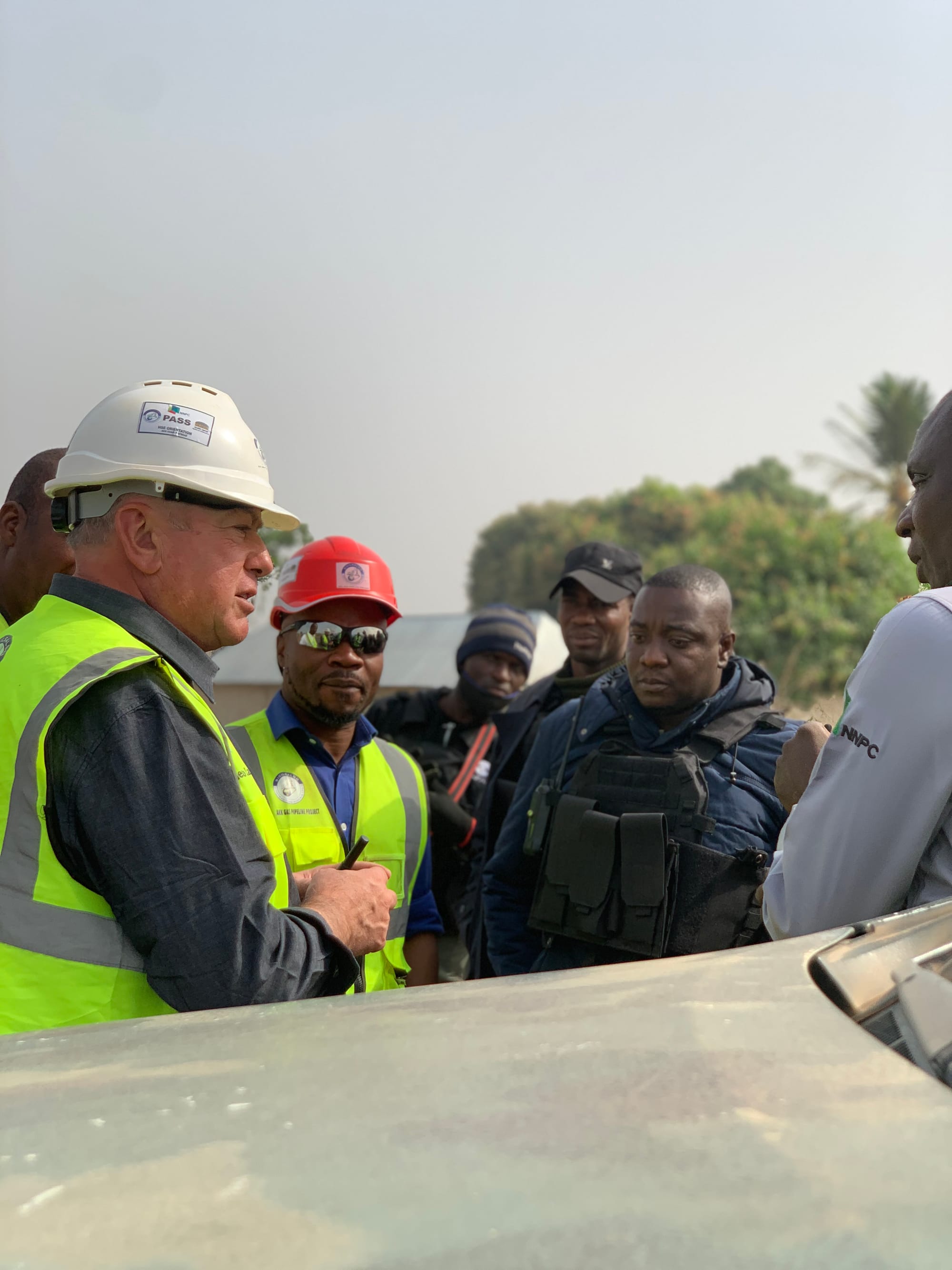
This relationship illustrates an important point: energy security involves more than the availability of resources or the completion of construction projects. It also depends on the ability to monitor infrastructure, maintain situational awareness and support informed operational decisions.
As energy networks become increasingly important to national development, the integration of infrastructure protection into project planning and operations will remain a significant consideration for the sector.
Turning Gas Potential into Industrial Value
The long-term value of gas infrastructure will ultimately be measured by what it enables. More dependable gas transportation can create opportunities for power generation, industrial production and investment, provided that supply, affordability, distribution and operational reliability are addressed.
For West Africa, the broader opportunity lies in connecting natural resources to productive economic activity. Infrastructure must support industries, financing must be sustainable, and security must be treated as an integral part of operational planning rather than an afterthought.
Nigeria’s gas strategy therefore raises a question that extends beyond energy production: how can the region build and protect the systems required to turn natural resources into durable industrial growth?
The answer will depend on coordinated investment, reliable infrastructure and the institutions and technologies that help keep critical systems operating.
The next phase of West Africa’s energy development will not be defined by resources alone. It will be shaped by the region’s ability to finance, deliver and protect the infrastructure that turns those resources into lasting economic value.