
Beyond Off-the-Shelf: Why Defence Sovereignty Requires Localised C5ISR Architectures
Acquiring advanced military hardware is no longer enough to guarantee strategic autonomy. Exploring how localized C5ISR integration, institutional expertise, and industrial ecosystems bridge the sovereignty gap between procurement and long-term operational capability.
· 7 min read
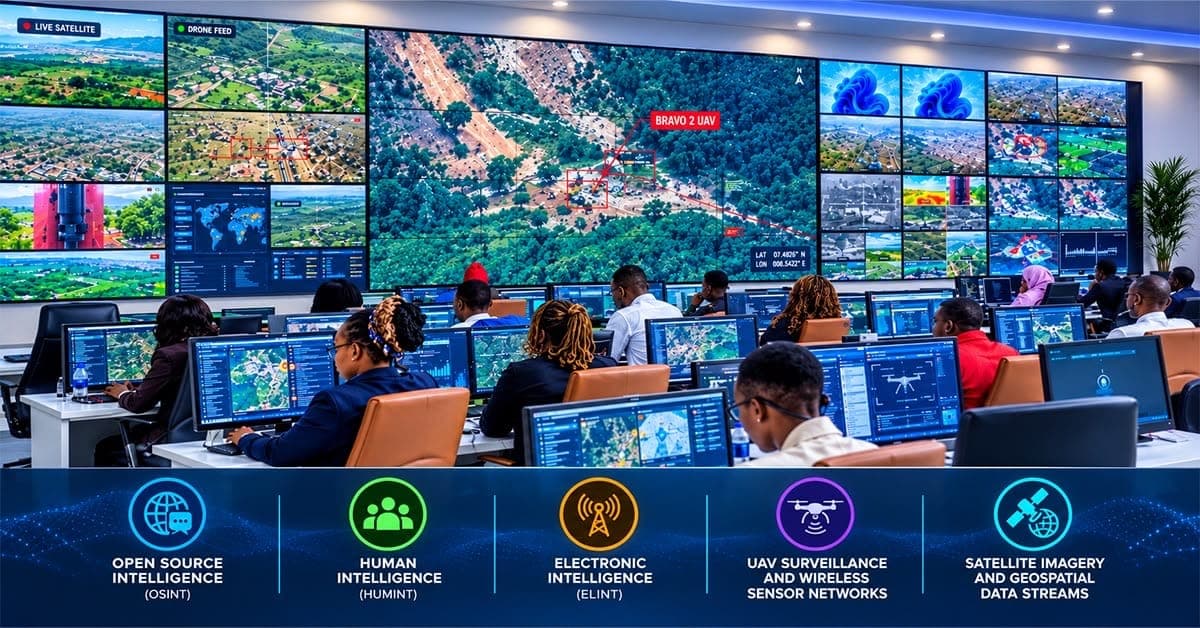
For decades, defence modernisation was measured largely by the platforms a country could acquire. Aircraft, military vehicles, communications equipment and surveillance systems represented visible indicators of technological advancement and operational capability.
That measure is no longer sufficient.
Modern defence increasingly depends on the systems connecting those platforms: how sensors collect information, how networks transmit it, how computers process it, how intelligence is interpreted and how decision-makers use it. Without effective integration, even sophisticated technologies can operate as isolated capabilities rather than parts of a coherent security architecture.
This is the thinking behind C5ISR: Command, Control, Communications, Computers, Cyber, Intelligence, Surveillance and Reconnaissance. It describes an integrated approach to connecting information systems, intelligence capabilities and decision-making. NATO’s Joint Intelligence, Surveillance and Reconnaissance framework similarly emphasises the collection, analysis and sharing of information from multiple sources and operational domains to support informed decisions. Source: NATO.
For countries seeking greater defence sovereignty, the implication is significant. The question is no longer simply what a country can buy, but what it can integrate, operate, understand, adapt and sustain.
The Limits of Off-the-Shelf Capability
Off-the-shelf technology can provide access to sophisticated capabilities without requiring every component to be developed domestically. For countries seeking to modernise their security infrastructure, this can be a practical and necessary route.
However, acquiring equipment does not automatically establish strategic autonomy.
A surveillance platform may collect valuable information, but its operational value depends on how that information reaches the people who need it. A communications system may provide connectivity, but its usefulness depends on the wider network in which it operates. An unmanned aerial system may provide aerial intelligence, but that information becomes more valuable when it can be assessed alongside other relevant sources.
The challenge is therefore not simply acquiring more technology. It is ensuring that the technologies work together.
Fragmented systems can limit information sharing, complicate coordination and create dependencies on external technical support. Differences in data formats, communications standards, operating procedures and proprietary systems can also make integration more difficult.
The result is a gap between possessing advanced equipment and achieving its full operational value.
The strategic priority should be to build architectures in which individual technologies contribute to a connected, secure and adaptable system.
Localisation Is More Than Manufacturing
Localisation is often discussed in terms of domestic production. Manufacturing matters, but it represents only one dimension of technological sovereignty.
A country may manufacture or assemble equipment locally while remaining dependent on external providers for critical software, specialist maintenance, system upgrades, integration or technical knowledge.
A more meaningful measure of localisation asks whether domestic institutions and businesses can sustain the capabilities around the technology they use.
Can local teams operate and maintain the systems? Can they integrate different platforms? Can they adapt the architecture when operational requirements change? Can they understand and manage the information generated? Can they protect the infrastructure on which the systems depend?
These questions shift localisation from a question of where equipment originates to a question of what capability remains within the country.
This does not mean every component must be produced domestically. International suppliers, technical partnerships and technology transfers will remain important to modern defence ecosystems. The objective is to ensure that these relationships strengthen local expertise and that external technologies can be incorporated into systems operated and managed according to national requirements.
Sovereignty is strengthened when a country can make informed decisions about the technologies it depends on, rather than relying entirely on the organisations that supply them.
Closing the Sovereignty Gap Through Integration
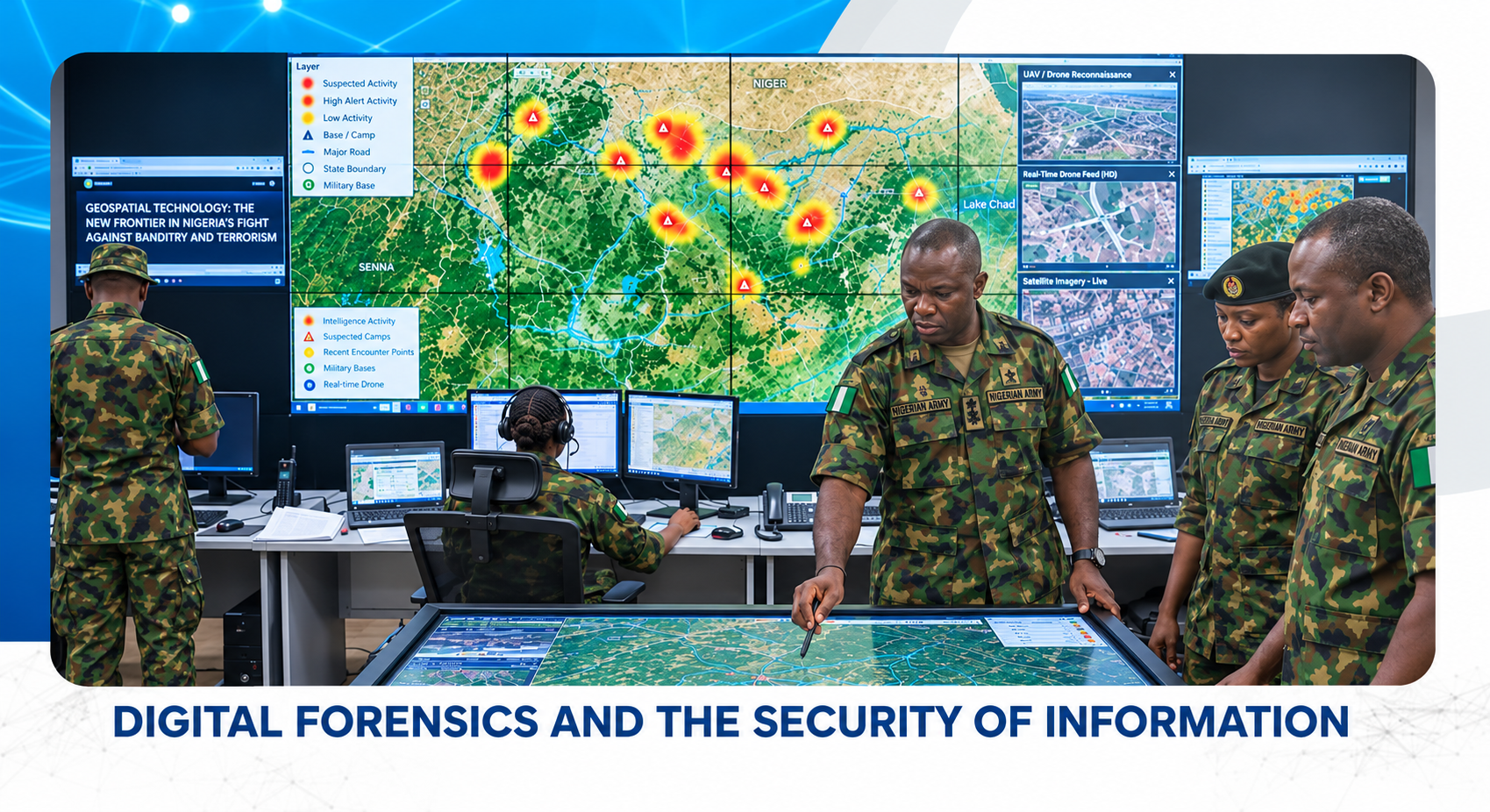
Between acquiring technology and achieving sovereign capability lies a substantial body of work: systems engineering, integration, training, maintenance, data management, intelligence analysis, cybersecurity and long-term sustainment.
This is the sovereignty gap.
Consider the journey of information from collection to decision. A sensor gathers data. A network transmits it. Computing systems process it. Intelligence specialists interpret it. Decision-makers assess its significance and determine an appropriate response.
The value emerges from the relationship between these stages, not from any single component.
The US Army’s DEVCOM C5ISR Centre, for example, identifies the development and integration of C5ISR technologies as central to its mission. Its work illustrates the importance of systems engineering and integration alongside individual technology development. Source: DEVCOM C5ISR Centre.
For African countries, this distinction matters because the acquisition of sophisticated platforms cannot, by itself, resolve challenges involving interoperability, technical expertise or institutional coordination.
Building integration capability requires investment in people, infrastructure, common standards, secure communications and the processes that allow different systems to exchange and interpret information appropriately.
It also requires attention to cybersecurity and data governance. As systems become more interconnected, protecting the information they carry and the networks through which they communicate becomes part of maintaining operational resilience.
The objective is not to create a catalogue of advanced technologies. It is to develop an architecture in which each capability contributes meaningfully to a broader operational purpose.
Building Around African Requirements
Africa’s security environments vary considerably. Geography, infrastructure, communications coverage, border conditions, maritime activity, institutional structures and threat patterns all influence the requirements of a national security architecture.
A system designed for one operational environment may therefore require adaptation before delivering comparable value in another.
Local engineering and systems integration can help address this challenge by taking account of the conditions in which technologies must operate. Domestic technical expertise can also strengthen maintenance, reduce dependence on external support and support the gradual development of specialised capabilities.
This is where the wider industrial ecosystem becomes important.
THE EIB GROUP provides a relevant institutional perspective through its businesses operating across security technology, unmanned aerial systems, digital forensics and manufacturing.
EIB STRATOC works across security technology, surveillance, intelligence monitoring, geospatial capabilities and situational awareness. BRIECH UAS focuses on unmanned aerial systems, including manufacturing, maintenance, repair and specialist training. GIGA FORENSICS operates across digital forensics and the analysis of digital evidence. POCTOVA contributes through domestic apparel manufacturing, including military-grade clothing and tactical equipment.
These businesses operate in distinct areas. Their relevance to the wider C5ISR discussion lies in the different technical disciplines they represent within Nigeria’s industrial and security landscape.
Surveillance systems, unmanned platforms, digital evidence capabilities and manufacturing operations each address different requirements. Their existence within a broader industrial ecosystem illustrates the range of expertise involved in developing and sustaining modern security capabilities.
However, a connected industrial ecosystem should not automatically be equated with a fully integrated C5ISR architecture. Achieving that requires demonstrated technical interoperability, appropriate systems integration, secure information exchange and clearly defined operational requirements.
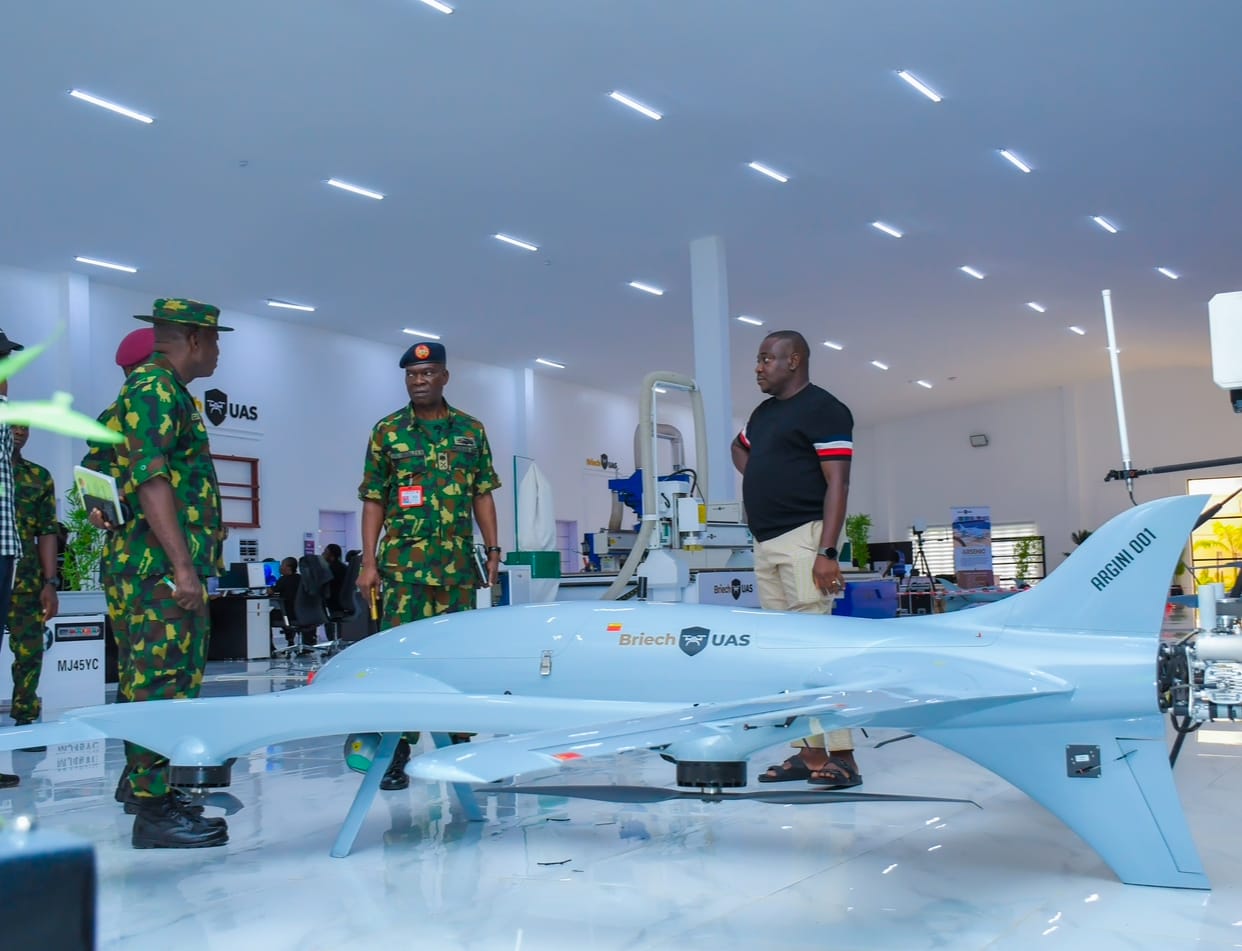
For African businesses and institutions, the opportunity is to build on existing capabilities, deepen technical expertise and develop partnerships that create measurable improvements in local systems engineering and sustainment.
Measuring Progress Beyond Acquisition
Defence modernisation will continue to require sophisticated equipment, dependable platforms and access to advanced technologies. Acquisition remains important, but it should be assessed alongside the capabilities needed to operate and sustain what has been acquired.
A broader assessment asks who can integrate the systems, who can maintain them, who understands the intelligence they generate and who can adapt the architecture as requirements evolve.
It also considers whether local institutions have the skills, infrastructure and authority needed to manage critical dependencies and make informed decisions about future development.
These are not secondary considerations. They influence how effectively technology can be used, how resilient systems remain when circumstances change and how much expertise is retained within the country.
For governments, security institutions and domestic technology businesses, the task is to align procurement with long-term capability development. Investment in technical education, systems engineering, cybersecurity, research, maintenance and knowledge transfer must complement investment in equipment.
International partnerships can support this process, provided they help strengthen local competence rather than create permanent dependence.
The goal is not technological isolation. It is the ability to engage with global technology while retaining the capacity to understand, integrate, adapt and sustain the systems on which national security depends.
Defence Sovereignty Is a Systems Question
The next phase of African defence modernisation should be measured not only by the sophistication of the equipment acquired, but also by the strength of the architecture surrounding it.
C5ISR brings this distinction into focus. Its central principle is that information, technology and decision-making must operate in relationship with one another. Sensors, communications networks, computing systems, intelligence capabilities and command structures become more useful when they can function as parts of a coherent whole.
For countries pursuing greater technological sovereignty, the priority is therefore to build the people, institutions, infrastructure and industrial expertise required to sustain that whole.
The defining question is not simply whether a country possesses advanced systems. It is whether it has the capability to make those systems work together, adapt them to national requirements and maintain them over time.
Defence sovereignty begins with what a country acquires, but its lasting strength depends on what that country can understand, integrate and sustain.