
The Next Technology Frontier: Autonomous Systems, Secure Networks, Maritime Security and Indigenous Industrial Capability in West Africa
Moving beyond technology consumption, West Africa’s industrial resilience relies on deep participation in engineering, maritime domain awareness, digital forensics, and indigenous manufacturing. This analysis examines how autonomous systems, secure networks, post-quantum preparedness, and local production form the foundation of true technological sovereignty.
· 5 min read
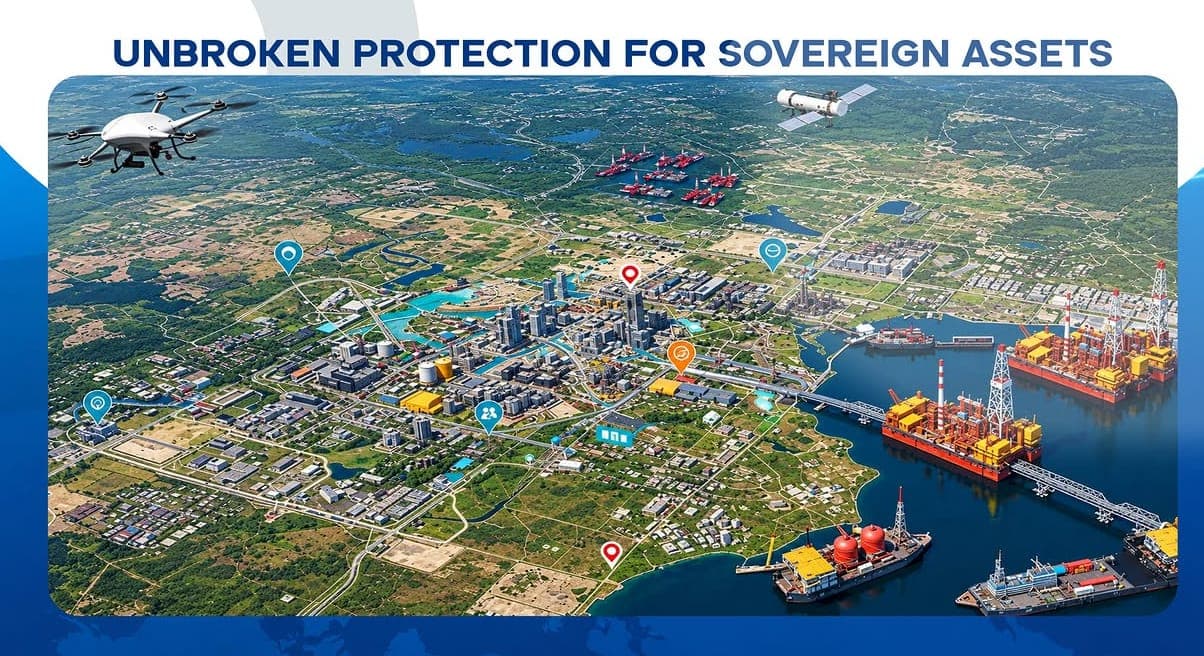
ABUJA NIGERIA - West Africa’s technological future will depend not only on the technologies it adopts, but on its ability to develop, operate and sustain critical systems. Across security, maritime infrastructure, manufacturing and digital services, technological capability is increasingly connected to economic resilience, institutional effectiveness and national independence.
For the region, the challenge is to move beyond technology consumption towards deeper participation in engineering, manufacturing, technical research and systems integration. This transition requires skilled people, reliable infrastructure, long-term investment and businesses capable of turning technical knowledge into practical solutions.
Within this landscape, THE EIB GROUP offers a useful institutional perspective. Through specialised businesses operating across unmanned systems, maritime surveillance, security technology, digital forensics and manufacturing, the Group’s activities connect several capabilities relevant to West Africa’s developing technological and industrial base.
Autonomous Systems, Maritime Security and Integrated Intelligence
Unmanned and autonomous systems are changing how organisations approach surveillance, reconnaissance, infrastructure observation and the collection of operational information. Their value depends not simply on the platform itself, but on the engineering, maintenance, communications, operator expertise and supporting infrastructure required to keep systems effective.
Beyond aerial surveillance, regional security and economic protection extend into maritime environments. Protecting shipping lanes, offshore installations, ports and coastal infrastructure requires effective maritime domain awareness, littoral surveillance and coordinated response capabilities. Operating across aerial and aquatic environments also presents distinct technical demands, from weather resistance and saltwater corrosion management to reliable long-range data transmission.
Local capability matters because technologies must function within the environmental and operational conditions in which they are deployed. Heat, humidity, corrosion, complex terrain and limited access to maintenance can influence performance, reliability and service life.
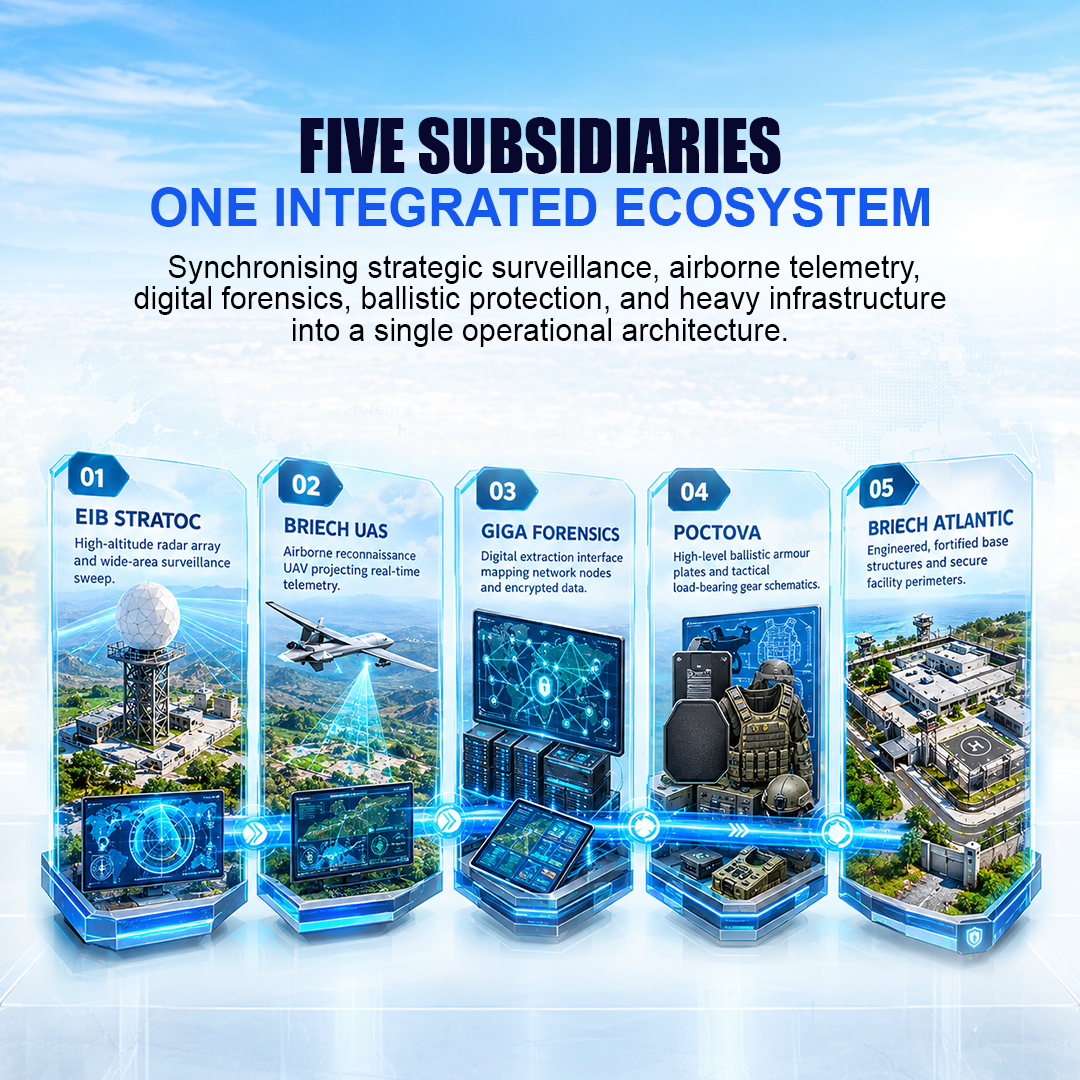
BRIECH UAS operates within this area of indigenous capability. Its activities include unmanned systems manufacturing, maintenance and repair, calibration, bespoke finishing, and training for operators, engineers and mission planners. These functions extend beyond equipment production to the technical support and specialist knowledge required to operate and sustain systems over time.
However, collecting information is only part of the challenge. Organisations must also organise, interpret and communicate relevant intelligence in ways that support informed decisions. Integrated security environments can bring together aerial surveillance, maritime radar, geospatial intelligence and secure communications within coordinated operational frameworks.
EIB STRATOC works across security technology, intelligence monitoring and maritime domain awareness systems, including surveillance networks, geospatial capabilities, real-time situational awareness and command-and-control functions. Its work connects to the broader question of how technology can support territorial defence, asset protection and maritime security.
Emerging technologies such as artificial intelligence and edge computing may offer further opportunities to process information closer to where it is collected, potentially reducing transmission requirements and supporting faster analysis in suitable applications. Realising these benefits requires demonstrated technical performance, appropriate cybersecurity safeguards and human oversight.
For West Africa, the priority is to deepen existing technical foundations through rigorous testing, interoperability, specialist training and collaboration between manufacturers, research institutions and industrial users.
Digital Forensics and the Security of Information
The expansion of connected devices, digital transactions and networked infrastructure has made digital evidence increasingly important to investigations and institutional security. Mobile devices, computers and other digital systems can contain information relevant to events, relationships and patterns of activity. Extracting and interpreting that information requires specialised tools, technical expertise and appropriate legal authority.
GIGA FORENSICS works in digital and forensic intelligence, including the examination and analysis of digital evidence from devices such as mobile phones and computers. Its activities connect directly to the growing importance of digital evidence, device intelligence and analytical capability in a technology-dependent society.
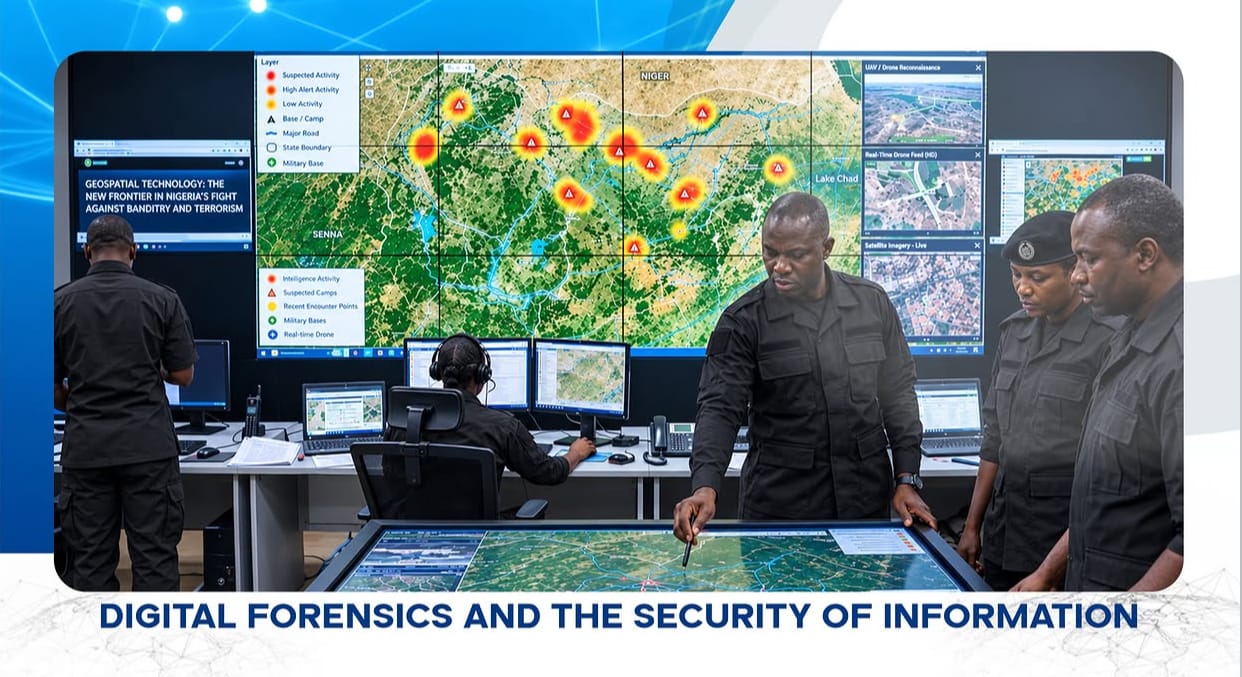
This work illustrates a broader principle: technological sovereignty involves more than owning hardware or operating software. It includes developing the expertise to understand digital systems, assess information, preserve evidence and use technical findings responsibly.
Looking ahead, the security of digital infrastructure will require continued attention to encryption, identity verification and the protection of sensitive information. Advances in quantum computing could eventually undermine some cryptographic methods currently in use, making post-quantum cryptography an increasingly relevant issue for financial institutions, government systems, power networks and other critical services.
In August 2024, the United States National Institute of Standards and Technology finalised its first three post-quantum cryptography standards. These provide a practical starting point for organisations planning how to protect information against potential future quantum-enabled threats. Source: National Institute of Standards and Technology (NIST).
For West African institutions, the immediate priority is to understand their cryptographic dependencies, assess long-term information risks and prepare for appropriate standards. Building local expertise in secure systems, cryptography and digital infrastructure will be important to that transition. This is an emerging area of strategic relevance, rather than a capability that should be assumed to exist without evidence.
Manufacturing as a Foundation of Sovereignty
Technological independence also rests on the ability to manufacture, maintain and supply products needed by institutions and industries. Dependence on external suppliers can create vulnerabilities when supply chains are disrupted, delivery times become unpredictable or access to essential components is restricted.
Developing local production does not eliminate every external dependency. It can, however, strengthen domestic expertise, create industrial employment and provide a foundation for improving quality, increasing production capacity and developing specialised manufacturing knowledge.

POCTOVA contributes to this wider industrial picture through its apparel manufacturing operations, which encompass processes including cutting, sewing, finishing and quality control. Its work illustrates the practical importance of production infrastructure, technical personnel and coordinated manufacturing processes within Nigeria’s industrial ecosystem.
The broader lesson extends beyond apparel. Sustainable industrial capability requires investment in skills, equipment, quality assurance, supply-chain management and the systems needed to deliver products consistently. These foundations matter whether an industry produces garments, electronic equipment, engineering components or other specialised products.
For West Africa, the challenge is to turn individual manufacturing capabilities into stronger industrial networks. Technical education, research partnerships and opportunities for local businesses to participate in larger value chains will be important to that progress.
Engineering the Next Horizon
West Africa’s technological future will be shaped by the relationship between innovation and practical capability. Autonomous systems, maritime domain awareness, integrated security technology, digital forensics and indigenous manufacturing address different needs, but each demonstrates the importance of specialised expertise, dependable infrastructure and the ability to sustain complex operations.
THE EIB GROUP’s activities across BRIECH UAS, EIB STRATOC, GIGA FORENSICS and POCTOVA provide concrete examples of work taking place within Nigeria’s technology and industrial landscape. These capabilities form part of a wider conversation about how domestic businesses can contribute to technical expertise, industrial development and more resilient systems.
The next stage will require sustained investment, rigorous testing, research collaboration and strategic partnerships that strengthen local skills and support knowledge transfer. Emerging fields such as advanced materials, edge AI and post-quantum security warrant serious attention, but their development must be supported by research, testing and demonstrated results rather than ambition alone.
Progress should therefore be measured not only by the technologies acquired, but by the expertise retained, the problems solved locally, the products manufactured and the capacity to improve systems as requirements evolve.
The defining question is not simply which technologies West Africa can access. It is whether the region can build the knowledge, institutions and industrial capability required to shape those technologies around its own needs and sustain them for the future.