
Poctova Success Stories: Scaling Indigenous Uniform and Protective Apparel Manufacturing in Nigeria
· 4 min read
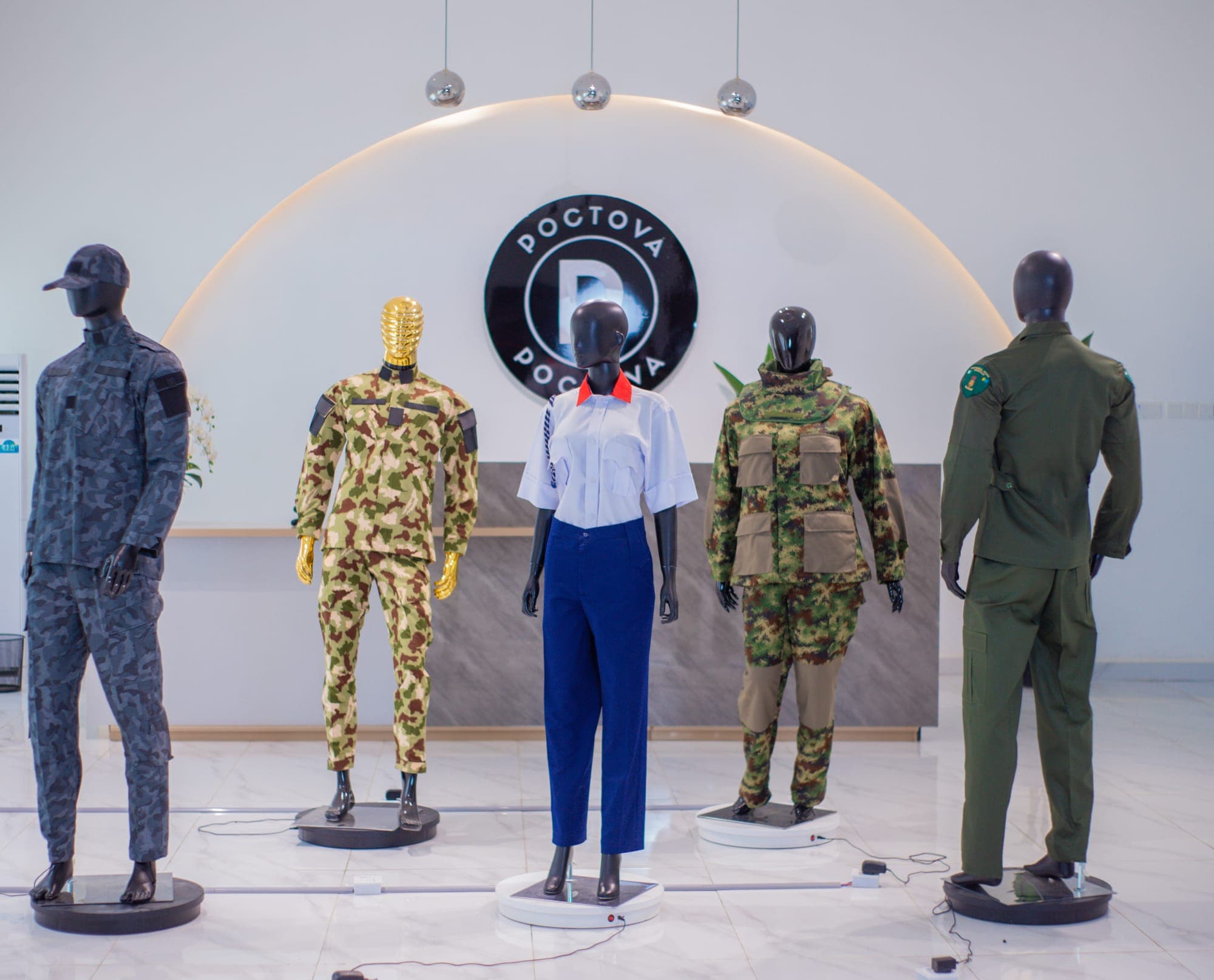
ABUJA, NIGERIA – Producing a single uniform is one thing. Producing tens of thousands of uniforms to the same specification, quality standard and delivery schedule is an entirely different manufacturing challenge.
Large institutional orders require much more than sewing and assembly. They demand consistency in textile quality, colour fastness, sizing, stitching, production capacity, quality control, packaging and distribution.
Poctova’s project history provides an example of how these demands can translate into large-scale indigenous manufacturing capability, particularly in supplying uniforms and specialised apparel for institutional and security-sector clients in Nigeria.
From Individual Garments to Large-Scale Production
Institutional uniforms are produced to defined specifications that must be replicated across potentially thousands of garments.
Colour, measurements, seam strength, finishing and durability must remain consistent throughout the production process. At larger volumes, this requires coordinated sourcing, production planning, workforce management, quality inspection and logistics.
Poctova’s project portfolio includes high-volume production for institutions such as the National Youth Service Corps (NYSC), the Department of State Services (DSS) and Forest Guard units.
These projects illustrate the scale and operational discipline required to execute institutional apparel programmes locally.
20,000+ NYSC Uniforms: Manufacturing at National Scale
One of Poctova’s reported projects involved the production and delivery of more than 20,000 NYSC uniforms.
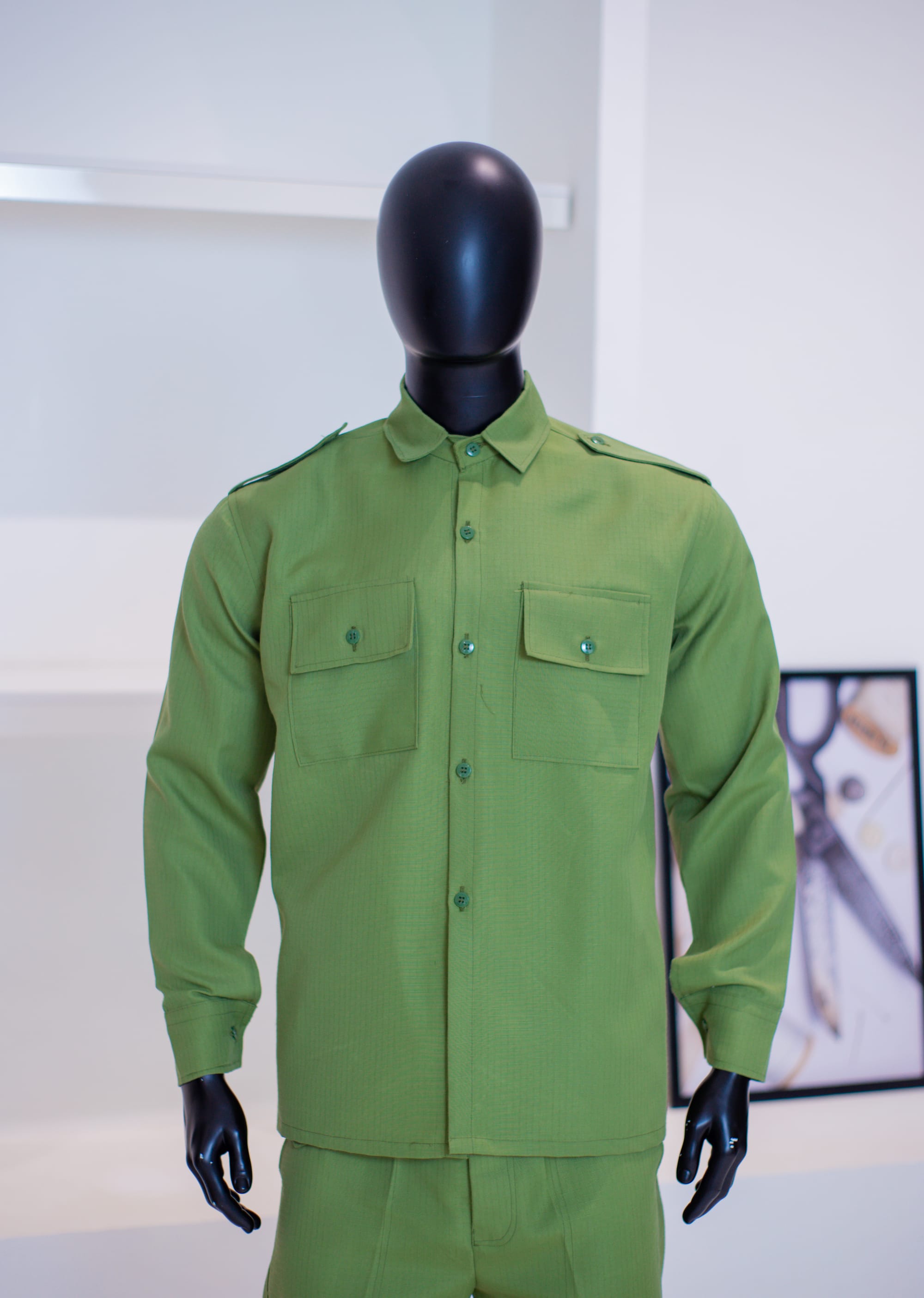
At this scale, production requires coordinated cutting and assembly, quality inspection, packaging and distribution. The garments must maintain consistency across a large production run while ultimately serving personnel deployed across different parts of the country.
The project demonstrates the importance of process control when manufacturing institutional apparel at scale.
10,000+ DSS Camouflage Uniforms: Production for Security Requirements
Poctova’s project history also includes the production of more than 10,000 camouflage uniforms for the Department of State Services.
Security-sector apparel introduces additional requirements around pattern consistency, fabric selection, durability, reinforced areas and suitability for operational use.
Producing thousands of units to a defined specification requires close coordination between material sourcing, manufacturing, quality assurance and delivery.
For an indigenous manufacturer, projects of this scale also provide an opportunity to deepen expertise in specialised textile production and institutional supply.
3,000+ Forest Guard Uniforms: Designing for Field Conditions
Another project involved the production of more than 3,000 uniforms for Forest Guard personnel.
Field environments create different requirements from conventional administrative clothing. Personnel working in forestry and other demanding environments require garments that support mobility, comfort and durability.
This demonstrates an important relationship between garment design and the environment in which the finished product will be used.
A uniform is not simply an identifier. Its materials, construction and fit can influence how effectively personnel perform their responsibilities in the field.
2,000+ DSS Black Operational Uniforms: The Importance of Detail
Poctova has also produced more than 2,000 black operational uniforms for DSS personnel.
Operational apparel requires attention to details such as colour consistency, seam construction, pocket configuration and compatibility with equipment used by personnel.
The project adds another dimension to Poctova’s institutional manufacturing experience and demonstrates the range of apparel requirements involved in supporting public and security institutions.
What These Projects Reveal About Indigenous Manufacturing
The significance of these projects extends beyond the number of garments produced.
Large-scale manufacturing requires coordination across raw material supply, workforce allocation, machinery, production scheduling, quality control, sizing, packaging and distribution.
Every stage contributes to the final result.
For Nigeria’s industrial sector, institutional manufacturing can also create opportunities to develop technical skills, strengthen local employment and improve manufacturing infrastructure.
It demonstrates that indigenous manufacturing can operate beyond small-batch or artisanal production when supported by appropriate infrastructure, processes and quality controls.
From Uniform Manufacturing to Protective Apparel
Poctova’s uniform manufacturing capabilities also form part of a wider progression into specialised apparel and protective equipment.
Experience in fabric selection, material durability, sizing, garment construction and quality assurance can provide a foundation for developing more specialised field wear and protective products.
This creates a connection between conventional textile manufacturing and the broader defence and protective-apparel ecosystem.
As requirements evolve, manufacturers with established experience in institutional production can continue developing their capabilities around the needs of the organisations and personnel they serve.
A Manufacturing Story Built Around Scale
Poctova’s project history is ultimately a story about scale and execution.
From more than 20,000 NYSC uniforms and more than 10,000 DSS camouflage uniforms to more than 3,000 Forest Guard uniforms and more than 2,000 DSS black operational uniforms, these projects represent significant volumes of institutional apparel produced for Nigerian organisations.
But the larger lesson is not simply about numbers.
Manufacturing capacity is measured not only by the ability to design a product, but also by the ability to reproduce it consistently, manage the systems behind production and deliver it to the people who depend on it.
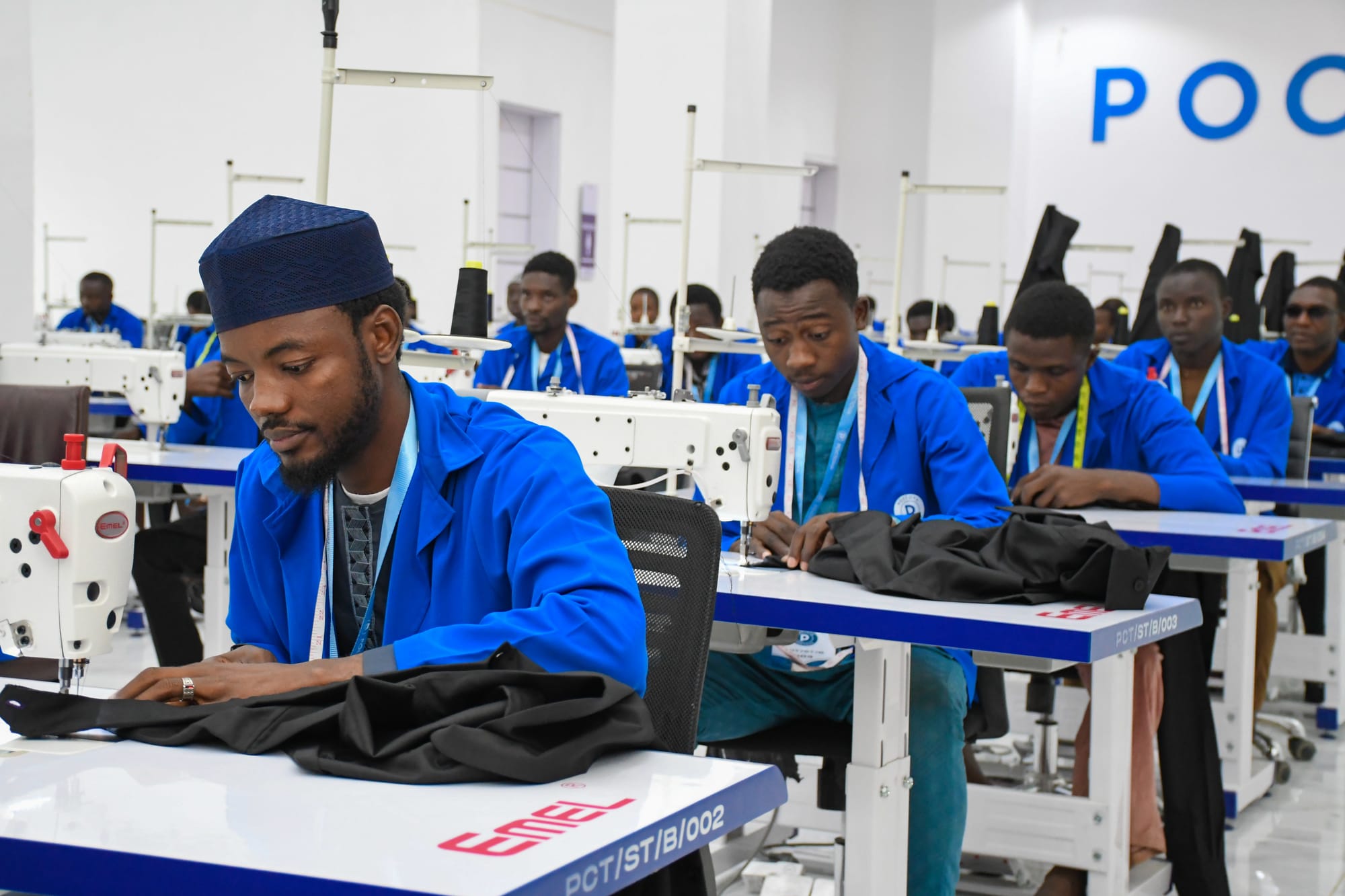
For EIB Group, stories such as these provide a closer look at the businesses operating within the wider organisation and the capabilities being developed across its ecosystem.
For Nigeria, they also contribute to a broader conversation about what indigenous manufacturing can achieve when local expertise, infrastructure, institutional demand and industrial discipline come together.
The story of Poctova is therefore not only about uniforms. It is about what happens when an indigenous manufacturer learns to turn production at scale into lasting industrial capability.