
Where Environmental Protection Meets National Security: The Role of Technology in Institutional Collaboration
As illegal resource exploitation and environmental violations increasingly intersect with public safety risks, modern national security demands a unified digital infrastructure that bridges the gap between environmental monitoring and multi-agency response.
· 5 min read

ABUJA, NIGERIA: Environmental protection and national security are often approached as separate areas of public responsibility. However, the challenges facing modern societies increasingly demonstrate how closely both are connected. Illegal resource exploitation, environmental violations, threats to critical infrastructure and activities that undermine community safety can have consequences that extend beyond ecological damage, creating wider security, economic and governance concerns.
These interconnected challenges require institutions to look beyond traditional boundaries and develop more coordinated approaches to monitoring, information management and response. Security agencies, environmental regulators and government institutions each have distinct responsibilities, but their effectiveness can be strengthened when their capabilities and information systems work together.
At the centre of this relationship is the growing importance of technology as an instrument for institutional collaboration.
The Convergence of Environmental and Security Challenges
Environmental challenges are not always confined to questions of conservation or regulatory compliance. Activities such as illegal mining, unlawful resource extraction, pollution and the unauthorised exploitation of natural resources can affect livelihoods, disrupt economic activity and create conditions that threaten public safety.
These issues often require the involvement of multiple institutions. Environmental agencies may be responsible for identifying violations and enforcing environmental standards, while security organisations provide protection, investigate unlawful activities and support the enforcement of relevant laws.
The complexity arises when these responsibilities intersect.
An environmental incident may require regulatory assessment, security intervention, technical investigation and coordination across different levels of government. Without effective communication and access to relevant information, institutions may struggle to develop a complete understanding of the situation or coordinate appropriate responses.
This makes environmental protection an important consideration within broader national security and public safety frameworks.
Why Institutional Collaboration Matters
No single institution possesses every capability required to address complex environmental and security challenges. Effective responses depend on the ability of different organisations to contribute their expertise, information and operational resources towards shared objectives.
For security agencies, collaboration with environmental authorities can improve the understanding of activities that have implications for public safety and natural resources. For environmental institutions, engagement with security organisations can strengthen the capacity to address unlawful activities and support regulatory enforcement.
However, collaboration must extend beyond formal agreements and occasional engagements. It requires practical systems through which relevant information can be accessed, interpreted and communicated responsibly.
Clear institutional responsibilities, defined information-sharing procedures and coordinated decision-making structures are essential. These arrangements help reduce fragmented responses and create a stronger foundation for addressing challenges that cut across multiple sectors.
Technology as the Connecting Infrastructure
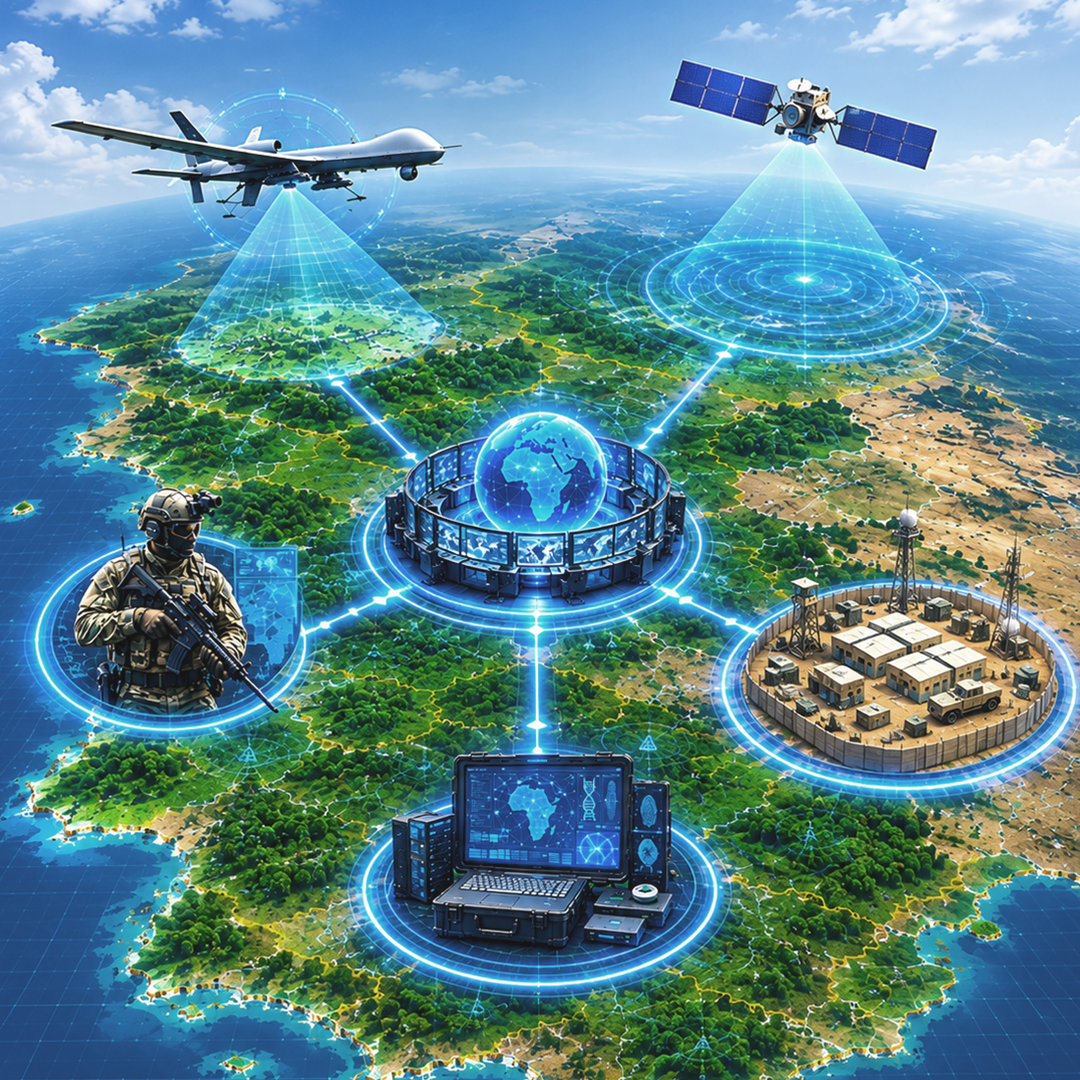
Technology is increasingly changing how institutions observe, understand and respond to complex environmental and security concerns.
Advanced monitoring systems can support the collection of information across relevant locations, while geospatial tools can help interpret environmental conditions and identify areas requiring further attention. Data analytics can assist institutions in examining patterns, assessing available information and supporting evidence-based decisions.
Surveillance technologies can also contribute to monitoring activities in areas where direct observation may be difficult or where continuous access is required.
The value of these technologies, however, depends on how effectively they are integrated into institutional processes. Information must be reliable, relevant and accessible to authorised stakeholders. Monitoring systems must also operate within appropriate legal, regulatory and data-protection frameworks.
Technology alone does not guarantee effective collaboration. Its greatest value emerges when it strengthens the relationship between information, institutional expertise and decision-making.
A connected technological environment can therefore help institutions move from isolated observations towards a more coordinated understanding of emerging challenges.
From Monitoring to Evidence-Based Decision-Making
One of the most important contributions of technology-driven monitoring is its potential to improve the quality of institutional decisions.
Environmental and security challenges often involve multiple variables, including geographical conditions, human activity, infrastructure, regulatory requirements and changing patterns of risk. Understanding these relationships requires more than isolated reports or occasional field assessments.
When monitoring systems, geospatial information and data analytics are applied appropriately, institutions can develop a more informed picture of conditions within their areas of responsibility.
This can support environmental assessments, identify areas requiring investigation, improve the documentation of incidents and provide relevant information for planning and institutional action.
It is equally important to distinguish between monitoring and intervention. Technology can help identify patterns and provide evidence, but decisions concerning enforcement, security operations and environmental regulation remain the responsibility of the appropriate institutions.
The relationship between technological capability and institutional authority is therefore fundamental to responsible implementation.
EIB STRATOC: Connecting Technology with Institutional Needs
The intersection of security, environmental protection and technology provides an important context for understanding the role of specialised infrastructure.
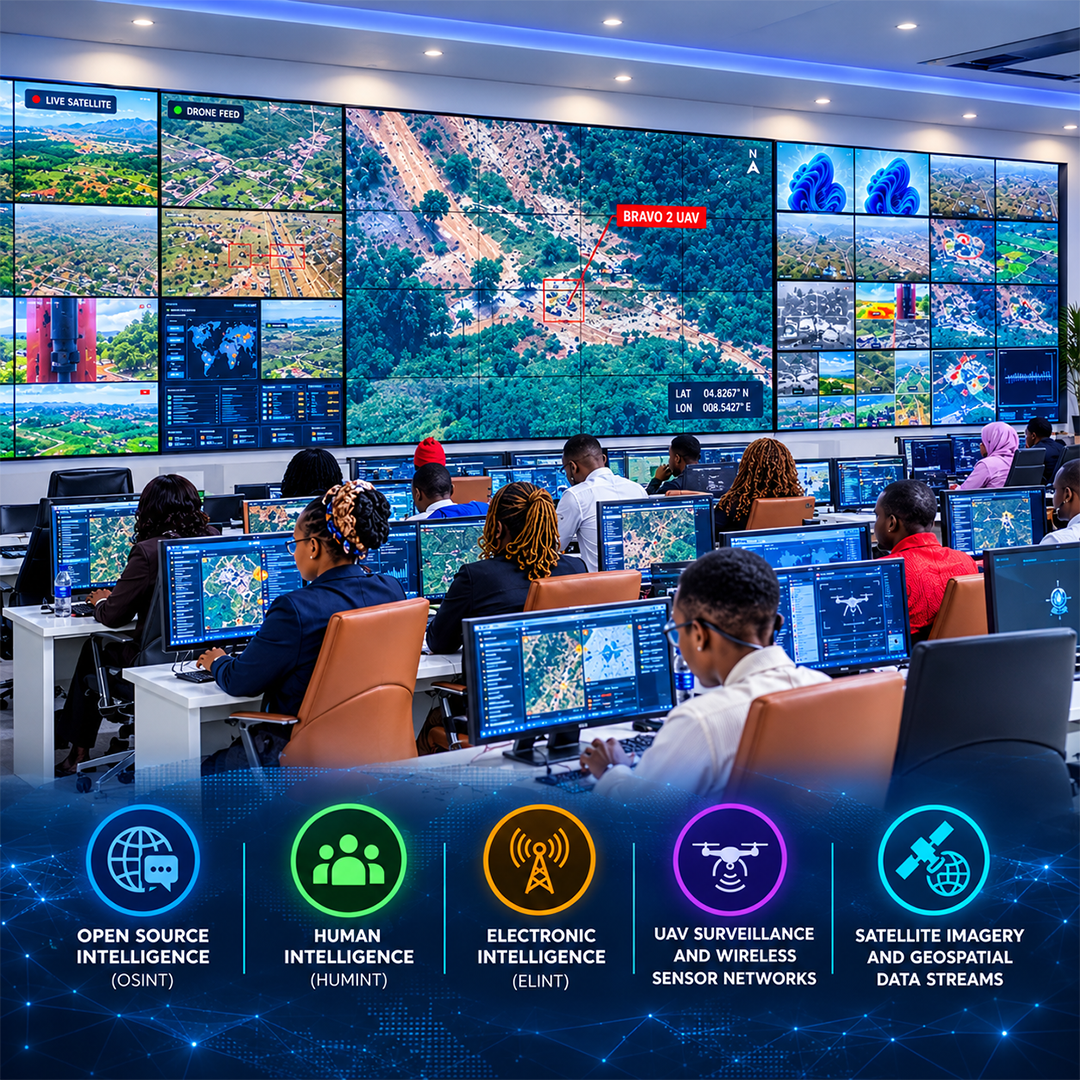
EIB STRATOC operates within the intelligence, surveillance and technology space, with capabilities that include monitoring systems, surveillance technologies and data-analytics infrastructure. Its Special Activities Centre provides a practical example of how specialised technological infrastructure can support institutional engagement across security-related areas.
The facility’s monitoring systems and data-analytics capabilities have been demonstrated to stakeholders from the security and environmental sectors, illustrating how technology can contribute to environmental assessments, information access and evidence-based decision-making.
The wider significance lies in the relationship between technological capability and institutional requirements. Infrastructure of this nature can provide a platform for collaboration by bringing relevant monitoring and analytical capabilities into conversations involving security agencies, government institutions and environmental stakeholders.
Its relevance is not limited to the technology itself. It also reflects the importance of developing institutional relationships through which specialised capabilities can contribute to shared priorities.
Building a More Connected Institutional Response
As environmental and security challenges become increasingly interconnected, the need for coordinated institutional responses will continue to grow.
Governments and relevant agencies must strengthen information-sharing arrangements, invest in appropriate monitoring infrastructure and establish clear frameworks for collaboration. They must also ensure that technological systems are supported by trained personnel, responsible data management and clearly defined institutional mandates.
For African countries, this presents an important opportunity to connect technological development with environmental governance, public safety and national resilience.
The objective should not simply be to acquire more advanced systems, but to develop institutional environments in which technology, expertise and collaboration work together to address practical challenges.
Ultimately, environmental protection and national security are strengthened when institutions recognise their shared interests and build the capacity to respond collectively. Technology provides an important bridge, but sustained collaboration, responsible governance and informed decision-making are what give that bridge its value.