Vice President Shettima Hails BRIECH UAS Innovation as Africa Turns Toward Indigenous Defence Technology
Vice President Shettima commends EIB Group's BRIECH UAS at the African Chiefs of Defence Summit, showcasing Nigeria's sovereign drone & C5ISR capabilities.
· 5 min read
ABUJA, NIGERIA – Nigeria marked a historic milestone in Africa’s evolving defence landscape as Abuja hosted the inaugural African Chiefs of Defence Summit, assembling senior military leaders, defence ministers, and security strategists from across the continent to address terrorism, violent extremism, transnational organised crime, maritime piracy, inter-agency intelligence sharing, and emerging asymmetric threats.
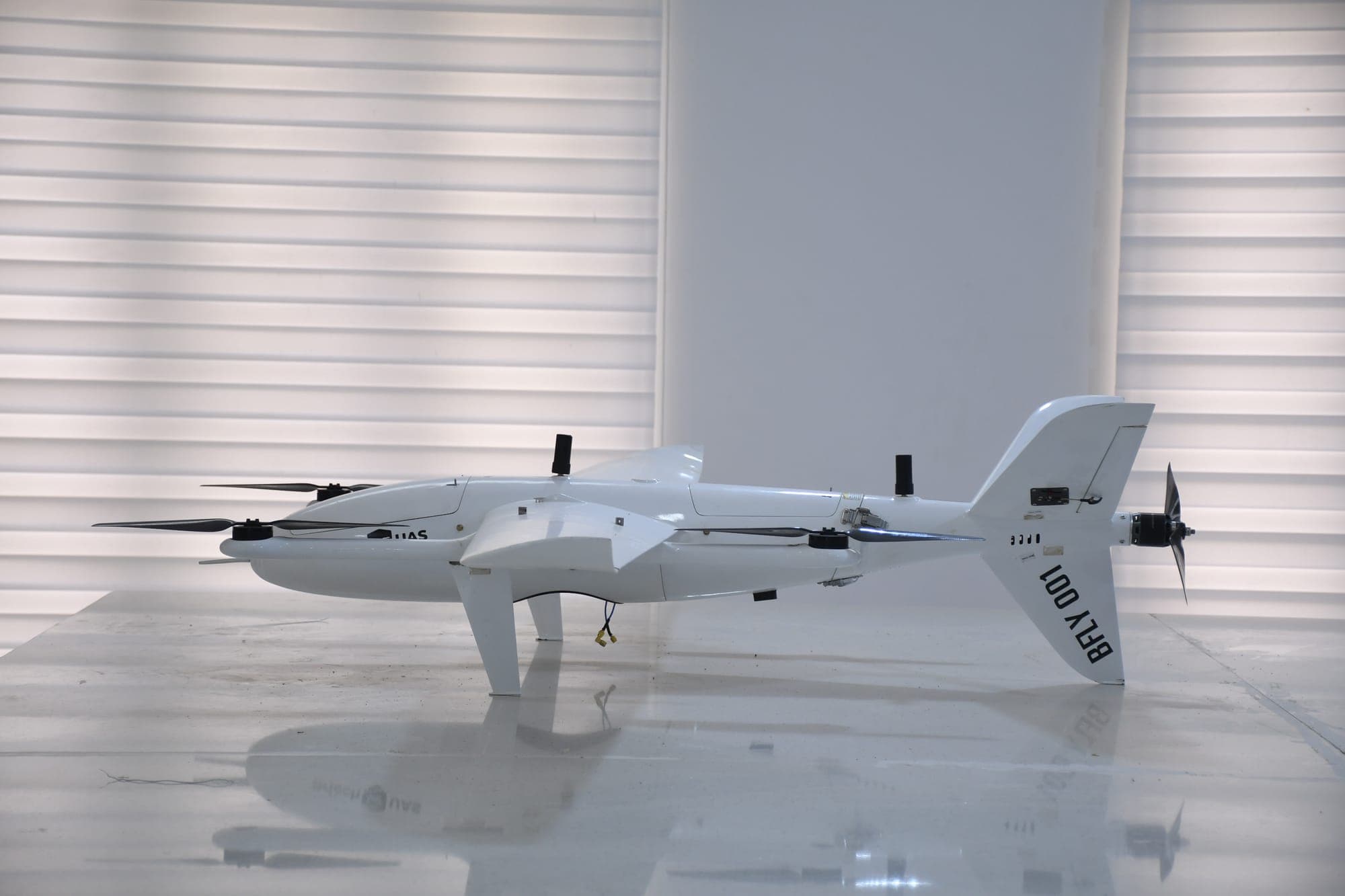
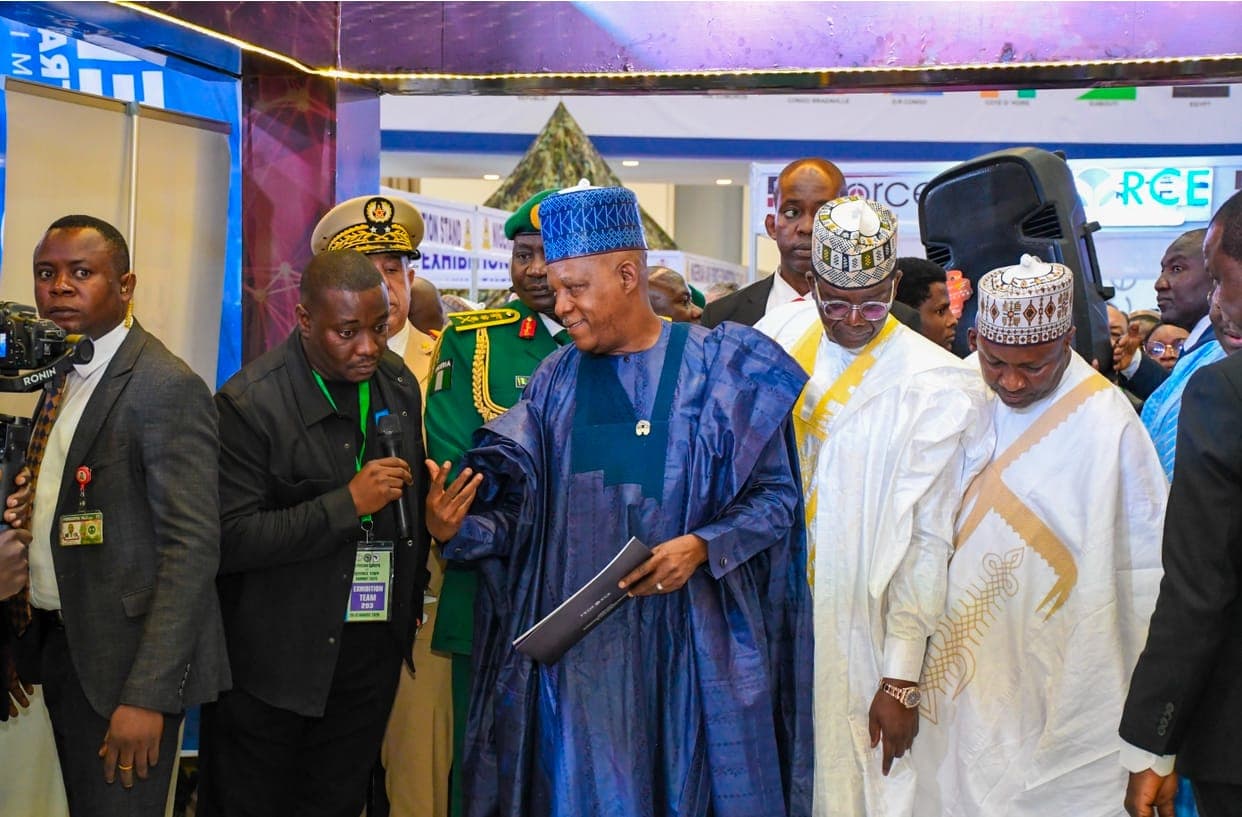
Among the defining highlights of this landmark gathering was the executive tour by Vice President Kashim Shettima, representing President Bola Ahmed Tinubu, to the defence technology exhibition arena. There, he personally evaluated the operational capabilities of BRIECH UAS, an advanced, indigenous unmanned aerial systems initiative developed by THE EIB GROUP.
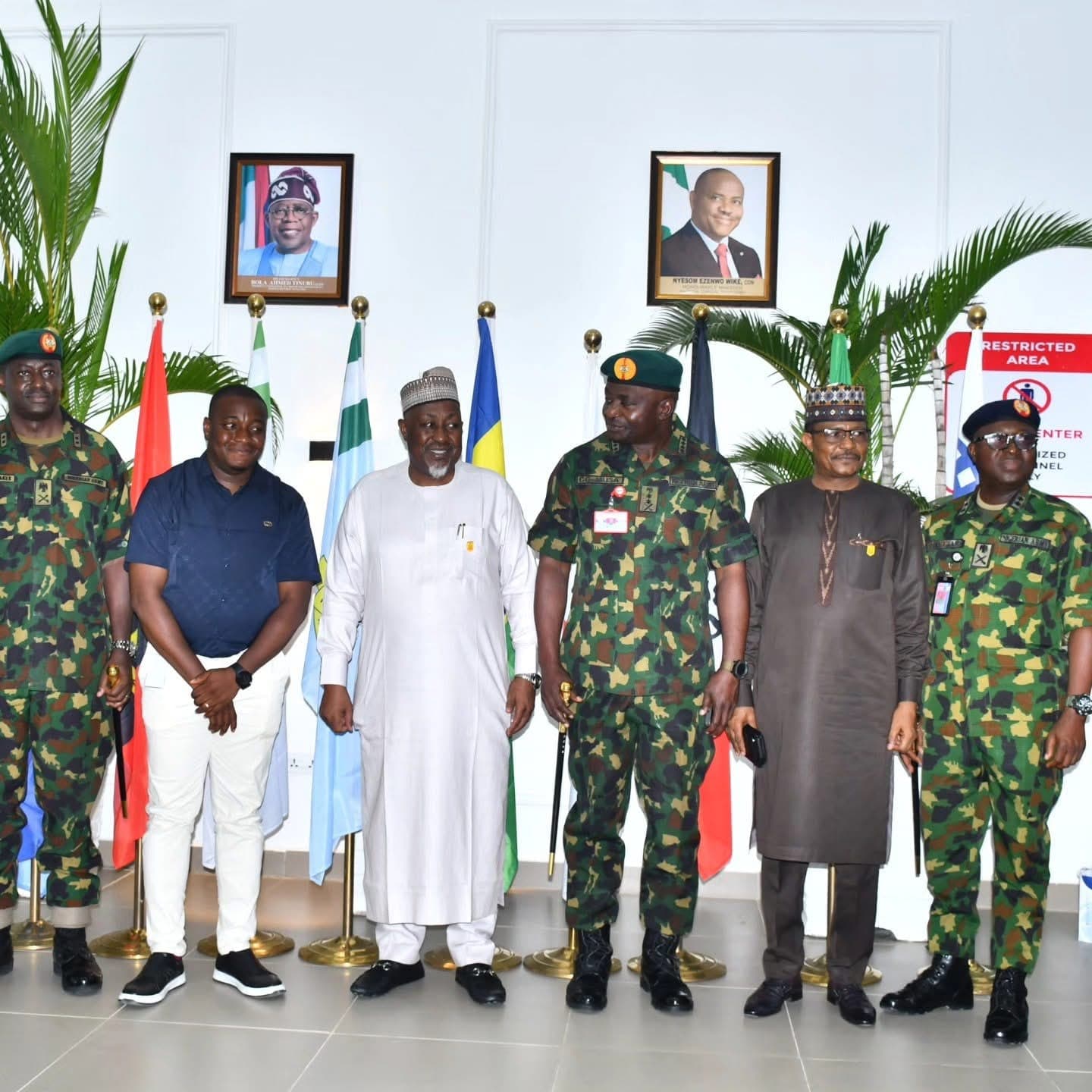
The high-level BRIECH UAS demonstration was led directly by Dr Bright Echefu, Chairman of THE EIB GROUP, alongside the chief engineering team behind the platform. The briefing provided senior military command structure and government delegates with an unvarnished look at Nigeria's rapidly expanding sovereign capacity in unmanned aerospace engineering and tactical defence technology.
A Historic Moment for African Defence Innovation
The strategic weight of the BRIECH UAS exhibition extended far beyond a routine military hardware display. It coincided with a summit centred on a fundamental imperative confronting modern African states: how the continent can engineer robust, domestic defence capabilities to neutralise its own security challenges without perpetual reliance on foreign supply chains.
Delivering the presidential address on behalf of President Tinubu, Vice President Shettima emphasised the urgent necessity for African nations to incubate homegrown technological and defence ecosystems rather than remaining vulnerable consumers of foreign military exports.
That executive vision found immediate, practical expression on the exhibition floor, where BRIECH UAS showcased autonomous systems designed specifically around the demands of modern intelligence, surveillance, target acquisition, and reconnaissance (ISTAR) in complex African battlespaces.
The engagement placed Nigerian aerospace innovation squarely at the centre of a continental dialogue regarding sovereign defence and self-reliance.
Shettima Engages BRIECH UAS Engineering Team
During his inspection tour, Vice President Shettima engaged extensively with Dr Bright Echefu and the core BRIECH UAS aerospace team as they presented the technical architecture, flight dynamics, and payload options of their unmanned platforms.
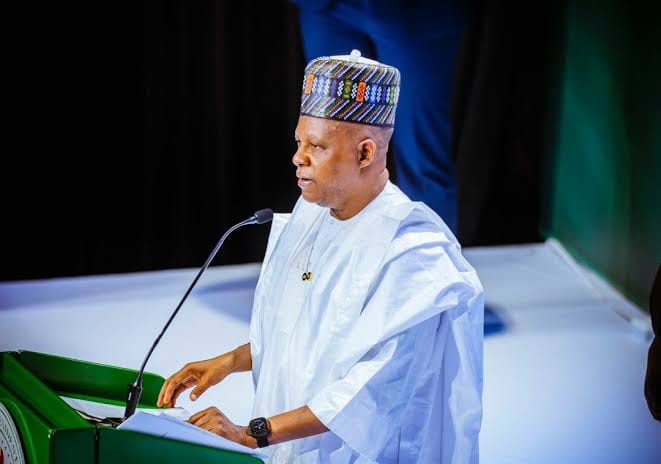
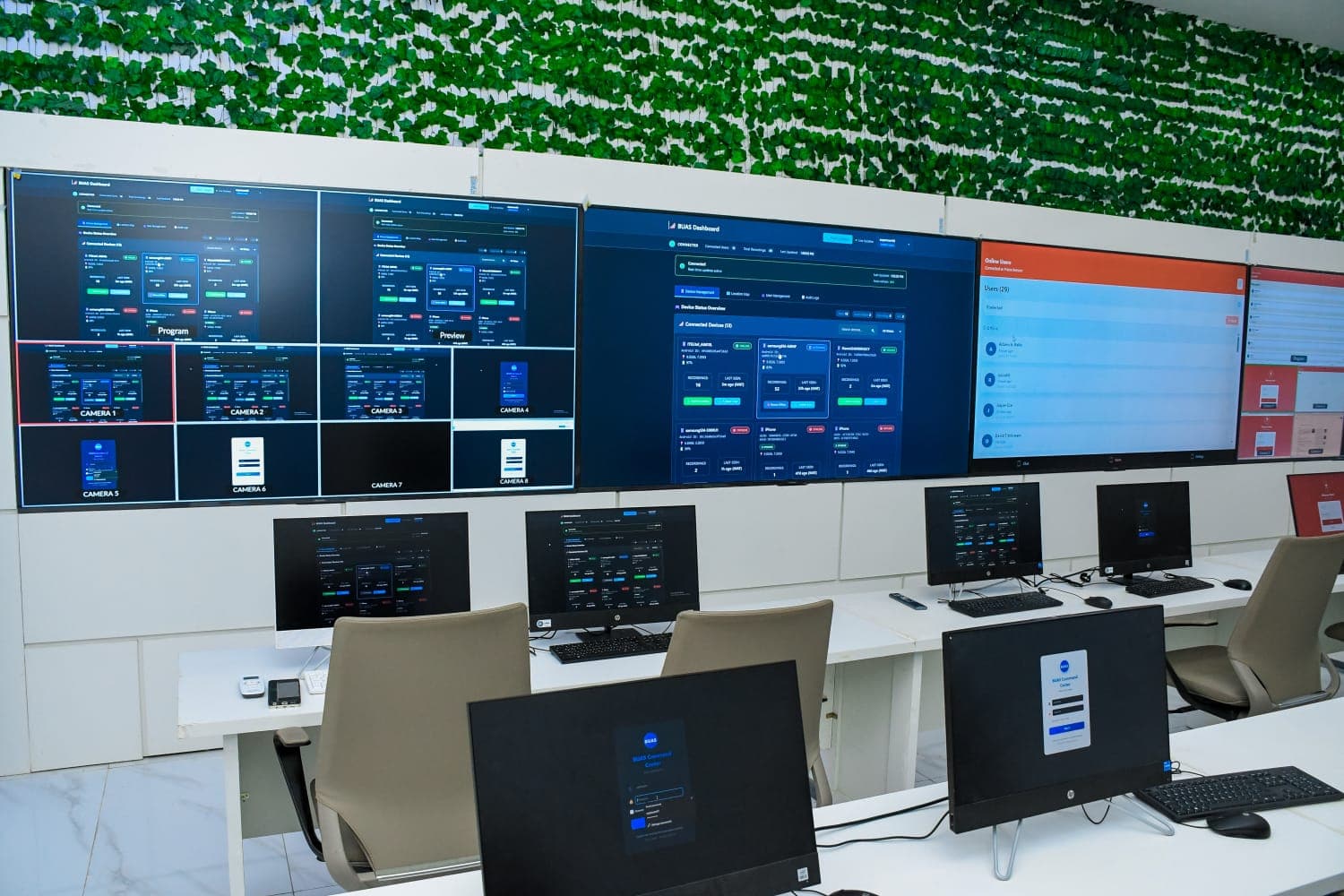
According to senior defence officials present at the exhibition, the Vice President spent significant time reviewing the command-and-control software and discussing the real-world deployment of these systems across active counter-insurgency and border monitoring sectors.
The briefing highlighted the crucial role of unmanned aerial systems in providing persistent aerial intelligence, wide-area surveillance, tactical reconnaissance, and real-time situational awareness, capabilities that are vital as non-state threats become more mobile, decentralised, and geographically scattered.
For Nigeria, the demonstration served as a clear proof-of-concept: showing how indigenous defence technology firms can directly strengthen the country's national security strategy and force-multiplication efforts.
Why BRIECH UAS Matters to Nigeria's Security Technology Agenda
The domestic development of specialised unmanned aerial technology is critical because modern national security relies on rapid, high-precision intelligence.
Unmanned aerial platforms deliver continuous, real-time aerial surveillance without risking the lives of flight crews in contested environments. When integrated with advanced command-and-control frameworks and encrypted ground relay stations, these platforms empower security forces to track hostile movements across difficult terrain, monitor porous borders, protect critical national infrastructure, and execute targeted responses.
This operational capability aligns directly with THE EIB GROUP’s broader technology architecture.
Rather than manufacturing isolated defence hardware, EIB Group integrates aerospace systems with multi-INT analytics, digital forensics, strategic intelligence reporting, and real-time decision-support systems. BRIECH UAS therefore functions as an airborne sensor node within a larger, unified defence ecosystem built for Africa's complex operating environment.
Africa's Security Challenges Require More Than Military Hardware
The Abuja summit also reinforced a growing consensus among defence chiefs: Africa's security challenges cannot be solved through conventional military acquisitions alone.
Terrorism, banditry, piracy, cyber warfare, weapons proliferation, and climate-induced instability are increasingly interconnected. Mitigating these multi-domain threats demands seamless synergy between armed forces, intelligence services, technology developers, and sovereign policymakers.
Speaking to defence chiefs, Vice President Shettima underscored that joint intelligence sharing, cross-border technology integration, and domestic innovation are essential to safeguarding the continent.
His remarks reflected a broader doctrine taking root across African defence ministries: security forces require access to defence technology specifically engineered for local topographies, regional threat profiles, and backed by domestic technical expertise.
In the same vein, President Tinubu called for deepened pan-African defence cooperation, advocating for joint operational training, shared intelligence networks, and the rapid adoption of modern defence technologies.
From Technology Consumer to Sovereign Producer
A central theme echoing throughout the summit was Africa's imperative to break its historic over-reliance on foreign arms manufacturers.
For decades, African states have imported the vast majority of their defence equipment, software platforms, and military maintenance services from overseas. While international security partnerships remain valuable, establishing indigenous engineering and manufacturing capacity builds an essential layer of national sovereignty and operational resilience.
Investing in domestic defence technology also yields vital civilian benefits, stimulating local research and development, creating high-value engineering jobs, expanding technical education, and accelerating broader industrial growth.
The BRIECH UAS exhibition delivered a concrete example of this strategic ambition: a Nigerian defence platform demonstrating sovereign aerospace capabilities to a continental audience of African military commanders.
A New Chapter for Nigeria's Indigenous Defence Industry
The high-profile presentation of BRIECH UAS at the inaugural African Chiefs of Defence Summit marks a pivotal chapter in Nigeria’s defence industrial development.
For THE EIB GROUP and Dr Bright Echefu, the summit provided a premier platform to demonstrate that Nigerian engineering can compete at the highest level of defence technology, challenging the historical dominance of foreign defence contractors.
It also highlights the vital alignment between commercial defence innovation and national security doctrine.
As African governments confront increasingly complex asymmetric threats, the demand for locally built, rapidly deployable surveillance and intelligence technology will remain at the forefront of the continent’s defence agenda.
What the Abuja Summit Signals for African Defence Technology
The Abuja summit united African military leadership around a shared reality: securing Africa’s future requires African technological self-reliance and inter-state cooperation.
BRIECH UAS stood out as a clear example of this emerging direction.
The successful demonstration before Vice President Shettima and senior military leaders proved that Nigerian defence technology can lead the continental conversation on modern security.
The ultimate significance of this event extends far beyond the exhibition floor. As African nations deepen cooperation in defence research, intelligence integration, and local manufacturing, milestones like the Abuja summit will be remembered as turning points in the continent's journey toward true technological sovereignty.
For Nigeria, the message is unequivocal: the nation is not merely reacting to security challenges; it is actively engineering the technology to overcome them. At the centre of this shift is a powerful principle: Africa’s long-term security depends not on the arms it imports, but on the technology it can design, build, and sustain for itself.
 eibgroup.comEIB Group - Tech Innovation & Defense SolutionsPioneering cutting-edge technology and defense solutions across AfricaVisit EIB Group